Introduction
If you’ve ever searched for the best family dogs, you already know how overwhelming it can get. There are hundreds of breeds out there, and everyone has a different opinion on what makes the perfect family pet.
I’ve been through this exact process myself. After spending years researching dog breeds, working with dog trainers, and talking to hundreds of dog owners — including first-time families — I can tell you this: the right family dog changes everything.
The right dog becomes a trusted companion for your kids. It brings joy, teaches responsibility, and honestly becomes one of the best parts of family life. But the wrong breed? It can lead to stress, behavioral issues, and heartbreak for both you and the dog.
In this guide, I’m sharing the top 20 family dogs — ranked by temperament, trainability, energy level, size, and how well they do with kids. I’ll also cover what actually makes a dog good for families, common mistakes new owners make, and a handy checklist to help you decide.
💡 Quick Tip: Whether you’re looking for best family dogs large breed or best family dogs low-maintenance options, this guide covers it all — with honest, practical advice.
What Makes a Dog a Good Family Pet?
Before we jump into the breed list, let me explain what I look for when evaluating the best dogs for families. These aren’t just general traits — they’re things I’ve seen make or break the experience for real families.
1. Gentle Temperament
The best family puppies are patient, calm, and gentle — especially around young children. A dog that gets easily startled or snappy is not a good fit for a home with toddlers, regardless of how well-trained it is.
2. Trainability
Good family dogs respond well to training. This makes it easier to set boundaries, especially when kids are involved. Breeds that are stubborn or independent can work — but they need experienced handlers.
3. Energy Level Match
This is one of the most overlooked factors. A high-energy breed in a small apartment with busy parents? Recipe for chaos. The best family dogs for kids match your family’s actual lifestyle — not just your ideal lifestyle.
4. Size and Strength
Large dogs can accidentally knock over small children. That doesn’t make them bad dogs — it just means you need to consider your kids’ ages. Similarly, very small breeds can get injured easily if handled roughly by young kids.
5. Sociability
Good dog for family life means a dog that enjoys being part of the group. Dogs that are overly independent or territorial can struggle in busy household environments.
If you’re still in the early stages of thinking about getting a dog, I’d strongly recommend reading my article on dog as a pet — everything you need to know before getting one. It covers the basics before any breed decision.
Top 20 Best Family Dogs — Full Breed List
Here’s my curated list of the best dogs for families in 2025. I’ve organized them by size category to make it easier to narrow down your choices.
🐾 Large Breed Family Dogs
1. Golden Retriever
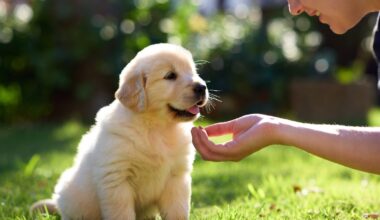
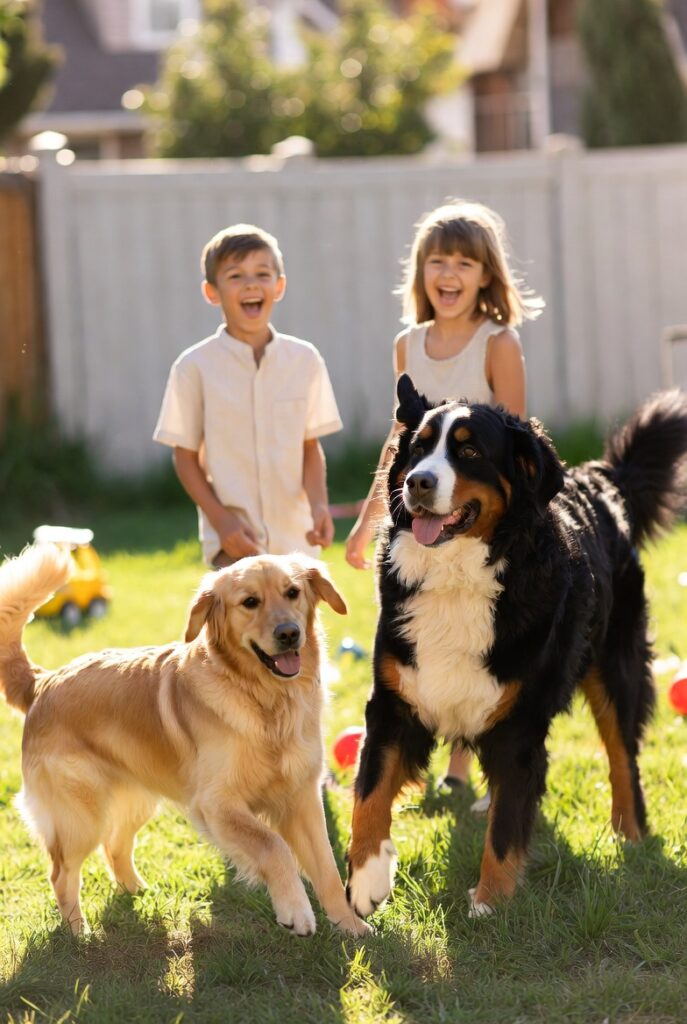
Without a doubt, the golden retriever is one of the most popular and beloved family dogs in the world — and for very good reason. I’ve seen golden retriever puppies grow into gentle, loyal, endlessly patient adults who seem to genuinely love children.
They’re incredibly easy to train, love water and outdoor play, and are almost always happy to cuddle on the couch afterward. If you’re looking at golden retriever puppies for sale, expect to pay $800–$2,500 depending on the breeder.
- Energy level: High — needs daily walks and playtime
- Kid-friendly: Excellent
- Trainability: Very high
- Shedding: Moderate to high — regular grooming needed
📌 Expert Note: Golden retrievers on sale from backyard breeders often have health issues. Always ask for health certifications (OFA hip and elbow clearances) before buying a golden retriever puppy.
2. Bernese Mountain Dog
The Bernese Mountain Dog — sometimes called the mountain Bernese or Berner — is one of my personal favorites for families with slightly older kids. These dogs are massive, fluffy, and incredibly gentle. They have a calm, affectionate personality that makes them brilliant with children.
Bernese mountain dog puppies are absolutely adorable, and they grow into loyal, patient adults. However, they do have a shorter lifespan (7–10 years) and are prone to certain health conditions, so factor that into your decision.
If you’re searching for a Bernese mountain dog for sale or bernese mountain dog puppy, expect prices ranging from $1,500 to $3,500 for a well-bred puppy.
- Energy level: Moderate
- Kid-friendly: Excellent, especially with older kids
- Trainability: Good — responds well to positive reinforcement
- Shedding: Heavy — especially in seasonal shedding periods
The mountain Bernese dog for sale market has grown significantly in recent years. Always verify the breeder’s reputation and ask for genetic health testing results.
3. Labrador Retriever
The Labrador is consistently ranked as one of the top 10 best family dogs worldwide — and it’s held that title for decades. Labs are cheerful, loyal, and endlessly playful. They’re also one of the easiest breeds to train, which makes life much easier for families with young children.
- Energy level: High — daily exercise is essential
- Kid-friendly: Excellent
- Trainability: Very high
- Shedding: Moderate
4. Irish Setter
Beautiful, energetic, and deeply affectionate — the Irish Setter is a fantastic choice for active families. They love running, playing fetch, and spending time outdoors. They’re also surprisingly gentle with small children despite their size.
- Energy level: Very high — best for active families
- Kid-friendly: Excellent
- Shedding: Moderate
5. Collie
Think Lassie. Collies are loyal, highly intelligent, and incredibly gentle with children. They have a natural herding instinct, which can sometimes mean they try to ‘herd’ small kids — but it’s always gentle and well-meaning.
- Energy level: Moderate to high
- Kid-friendly: Excellent
- Trainability: Very high
🐾 Medium-Sized Family Dogs
Medium-size dogs are often the sweet spot for families. They’re manageable in most home sizes, not too delicate for active kids, and easier to handle than giant breeds.
6. Beagle
Beagles are curious, friendly, and absolutely wonderful with kids. They’re medium-sized dogs with a sturdy build, which means they can handle the rough-and-tumble play that kids love. Beagles are social dogs — they love being part of the family action.
- Energy level: Moderate to high
- Kid-friendly: Excellent
- Shedding: Low to moderate
7. Cocker Spaniel
Cocker Spaniels are gentle, sweet-natured, and great with children. They adapt well to apartment living or houses with yards, making them one of the best family dogs low-maintenance options in the medium-size category.
- Energy level: Moderate
- Kid-friendly: Excellent
- Shedding: Moderate — regular grooming needed
8. Border Collie
The Border Collie is one of the most intelligent dog breeds in the world. However, that intelligence comes with a catch — they need a lot of mental stimulation. For active families with older kids, they’re outstanding. For calmer households, they can become destructive out of boredom.
- Energy level: Very high
- Kid-friendly: Good — better for older kids
- Trainability: Exceptional
9. Vizsla
The Vizsla is a medium-sized breed that’s affectionate, energetic, and deeply loyal. They bond very closely with their families and are known as ‘Velcro dogs’ — they love being near you at all times. Great for families who want an active companion.
- Energy level: High
- Kid-friendly: Excellent
- Shedding: Very low
10. Australian Shepherd
Aussies are smart, energetic, and great with active older children. Like Border Collies, they need a lot of exercise and mental stimulation. Given that, they’re devoted, playful, and incredibly fun family dogs.
- Energy level: Very high
- Kid-friendly: Good — better for active families with older kids
🐾 Small Breed Family Dogs
Small breed family dogs can work brilliantly — but they require some extra thought, especially if you have very young children who might handle them roughly.
11. Cavalier King Charles Spaniel
One of the gentlest, most affectionate small breeds you’ll find. Cavaliers are calm, cuddly, and get along beautifully with children of all ages. They’re also one of the best family dogs low energy options if you have a calmer household.
- Energy level: Low to moderate
- Kid-friendly: Excellent
- Shedding: Moderate
12. Poodle (Miniature or Standard)
Poodles are highly intelligent, easy to train, and — importantly — they’re one of the top non-shed dogs available. If anyone in your family has allergies, the Poodle is often a top recommendation. They come in three sizes, making them adaptable to most living situations.
- Energy level: Moderate to high
- Kid-friendly: Excellent
- Shedding: Very low — hypoallergenic friendly
13. Bichon Frise
The Bichon Frise is cheerful, playful, and loves children. They’re sturdy enough to play with kids but small enough for apartment living. Like Poodles, they’re considered non-shed dogs — a big win for allergy sufferers.
- Energy level: Moderate
- Kid-friendly: Excellent
- Shedding: Very low
14. Shih Tzu
Shih Tzus are calm, affectionate, and generally low-maintenance in terms of exercise. They do need regular grooming, but they’re wonderful companion dogs — especially for families where the kids are a bit older and gentler.
- Energy level: Low
- Kid-friendly: Good — better with older kids
- Shedding: Low
15. Boston Terrier
Boston Terriers are lively, friendly, and genuinely funny little dogs. They love playing with kids and adapt well to various living situations — including apartments. Their short coat also makes grooming easy.
- Energy level: Moderate
- Kid-friendly: Excellent
- Shedding: Low
🐾 More Great Family Picks (16–20)
Here are five more breeds worth considering, especially if you have specific needs around energy level or maintenance:
- 16. Pug — Calm, affectionate, and great with kids. Best family dogs low energy option. Needs careful management in hot weather.
- 17. Boxer — Playful, loyal, and protective. Great for families with active older kids.
- 18. Newfoundland — Massive, gentle giants. Exceptional with young children. Heavy shedding, but incredibly patient.
- 19. Soft Coated Wheaten Terrier — Energetic, fun, and low-shedding. Great medium-sized option for families with kids.
- 20. Maltese — Sweet, gentle, and low-shedding. Better suited for families with older, calmer children.
Quick Comparison: Top 10 Best Family Dogs at a Glance

Use this table to quickly compare the top 10 family dog breeds side by side:
| Breed | Size | Energy | Kid-Friendly | Shedding | Best For |
| Golden Retriever | Large | High | ⭐⭐⭐⭐⭐ | Moderate | All families |
| Bernese Mountain Dog | Large | Moderate | ⭐⭐⭐⭐⭐ | Heavy | Families w/ older kids |
| Labrador Retriever | Large | High | ⭐⭐⭐⭐⭐ | Moderate | Active families |
| Beagle | Medium | Moderate | ⭐⭐⭐⭐⭐ | Low-Mod | Most family types |
| Cocker Spaniel | Medium | Moderate | ⭐⭐⭐⭐⭐ | Moderate | Apartments/houses |
| Poodle | Small-Large | Moderate | ⭐⭐⭐⭐⭐ | Very Low | Allergy families |
| Cavalier KCS | Small | Low-Mod | ⭐⭐⭐⭐⭐ | Moderate | Calm households |
| Boxer | Large | High | ⭐⭐⭐⭐ | Low | Active families |
| Bichon Frise | Small | Moderate | ⭐⭐⭐⭐⭐ | Very Low | Apartment living |
| Collie | Large | Moderate | ⭐⭐⭐⭐⭐ | Moderate | Families with yard |
Best Family Dogs That Don’t Shed — For Allergy Families
If someone in your household has pet allergies or you simply don’t want dog hair on everything you own, this section is for you. Here are the top family-friendly dogs that are low-shedding or hypoallergenic-friendly:
- Poodle (all sizes) — The gold standard for non-shed dogs. Smart, friendly, and coat-friendly for allergy sufferers.
- Bichon Frise — Fluffy but low-shedding. Great with kids.
- Soft Coated Wheaten Terrier — Playful, medium-sized, and low-shedding.
- Maltese — Gentle and low-shedding, though better for older kids.
- Portuguese Water Dog — Active, fun, and low-shedding. Made famous by the Obama family.
For a more detailed breakdown, check out my article on small dog breeds that don’t shed or smell — it covers grooming tips and breed comparisons in detail.
💡 Expert Tip: No dog breed is 100% hypoallergenic. However, low-shedding dogs produce significantly less dander — which is the actual allergy trigger, not the hair itself. Many allergy sufferers do perfectly well with Poodles and Bichons.
Best Large Breed Family Dogs — What You Need to Know
Large breed family dogs are popular for a reason. They’re sturdy enough to play with kids, often have gentle temperaments, and have a reassuring, loyal presence in the home. However, large dogs come with some important considerations.
Pros of Large Family Dogs
- Generally sturdier around young children
- Often calmer and more patient than small breeds
- Great for outdoor activities and active families
- Protective instinct adds a sense of security
Cons of Large Family Dogs
- Higher food costs
- More space required — yard is ideal
- Some breeds (like Bernese Mountain Dogs) have shorter lifespans
- Can accidentally knock over toddlers
My top picks for best family dogs large breed include: Golden Retriever, Labrador Retriever, Bernese Mountain Dog, Collie, and Newfoundland.
If you’re still deciding on what size dog fits your life, my guide on best dog breeds for first-time owners walks through this decision in detail.
Common Mistakes Families Make When Choosing a Dog
I’ve seen families make the same mistakes over and over. Here’s what to avoid:
1. Choosing based on looks alone. A breed might look adorable but be completely wrong for your lifestyle. I’ve seen families fall in love with Huskies and then struggle because they can’t meet the breed’s intense exercise needs.
2. Ignoring energy level. Your dog’s energy level needs to match your family’s actual lifestyle — not the lifestyle you wish you had. If you work long hours, a Border Collie is probably not the right call.
3. Skipping training. Even the best family dogs need proper training. No dog is born knowing your household rules. Skipping this step leads to behavioral problems down the road.
4. Buying from unethical breeders. Whether you’re looking at golden retriever puppies for sale or bernese mountain dog for sale listings — always buy from reputable, health-tested breeders. Alternatively, consider rescue dogs. There are thousands of wonderful family dogs waiting in shelters.
5. Not considering the full cost. Food, vet bills, grooming, training — it adds up. Make sure you’re financially ready for the commitment.
Want to make sure you have everything ready before bringing a puppy home? My puppy essentials checklist has everything you need in one place.
Beginner vs. Experienced Owner — Which Breeds Fit Best?
This is a question I get asked a lot. The answer matters, because some breeds are incredibly forgiving for first-time dog owners, while others genuinely need an experienced hand.
| Breed | Best For |
| Golden Retriever | First-time owners — forgiving, easy to train |
| Labrador Retriever | First-time owners — one of the most trainable breeds |
| Beagle | Moderate experience — can be stubborn, needs patience |
| Cavalier King Charles Spaniel | First-time owners — gentle and adaptable |
| Border Collie | Experienced owners — needs intense mental stimulation |
| Australian Shepherd | Experienced owners — high energy, needs a job to do |
| Bernese Mountain Dog | First-time owners — calm, gentle, easy-going |
| Poodle | First-time owners — very trainable, adaptable |
If you’re a first-time owner, I’d also recommend reading my guide on how to train a dog at home — it’ll save you a lot of stress in those early weeks.
Family Dog Checklist — Are You Ready?
Before you bring any dog home, run through this checklist. Honestly, this is the advice I wish someone had given me before I got my first dog.
✅ Use this checklist before you adopt or purchase your new family dog.
- ☐ I have researched at least 3–5 breeds that match my family’s lifestyle
- ☐ I’ve considered my living space (apartment vs house with yard)
- ☐ I’ve assessed my family’s activity level honestly
- ☐ I’ve discussed the dog with every family member
- ☐ I’ve calculated the annual cost of owning this breed
- ☐ I’ve found a reputable vet in my area
- ☐ I’ve researched reputable breeders or adoption centers
- ☐ I’ve read about the breed’s health conditions and lifespan
- ☐ I’ve planned for puppy training and socialization
- ☐ I’ve prepared my home (puppy-proofing, space for a crate, etc.)
For a step-by-step guide to bringing a puppy home, check out my puppy care for beginners complete guide — it covers everything from the first night to the first vet visit.
Expert Tips for Raising a Family Dog Successfully
Having a family dog is wonderful — but it’s also a daily commitment. Here are the tips that I’ve found make the biggest difference:
Start Training Early
The earlier you start, the better. Even 8-week-old puppies can start learning basic commands. Consistency is everything. Every member of the family needs to use the same commands and rules — otherwise, the dog gets confused and behavioral issues follow.
If you need help with housetraining, my guide on how to potty train a puppy fast is a great starting point.
Socialize, Socialize, Socialize
Expose your puppy to different people, places, sounds, and situations from an early age. Well-socialized dogs are calmer, more confident, and better with strangers and other animals. This is especially important for the best family dogs for kids — because kids bring chaos, and your dog needs to be comfortable with that.
Stick to a Feeding Schedule
A consistent feeding schedule helps with digestion, potty training, and routine. It also helps you monitor your dog’s appetite — changes in eating habits can be an early sign of health issues.
I put together a detailed best puppy feeding schedule guide that walks you through exactly how much and how often to feed at each age.
Teach Kids How to Interact With Dogs
This is often overlooked. Even the gentlest dog can react defensively if a child pulls its ears, disturbs it while eating, or approaches too fast. Teaching kids proper dog etiquette is just as important as training the dog itself.
What Does Research Say About Family Dogs and Children?
There’s growing evidence that children who grow up with dogs benefit in significant ways. Research from the Human-Animal Bond Research Institute (HABRI) shows that children raised with pets tend to develop stronger empathy, better emotional regulation, and even improved immune function.
Additionally, studies published in journals like Anthrozoös have found that dog ownership is associated with increased physical activity in children — particularly dogs with higher energy levels like Labradors and Golden Retrievers.
These findings reinforce what many families already know intuitively: a good family dog isn’t just a pet. It’s a developmental partner for your children.
🔗 External Reference: The American Kennel Club (AKC) maintains an excellent, regularly updated resource on breed temperaments and family suitability: akc.org/dog-breeds/
Best Low-Maintenance Family Dogs — For Busy Families
If you have a hectic schedule, the energy and grooming requirements of your dog really matter. Here are my top picks for best family dogs low-maintenance:
- Basset Hound — Calm, friendly, and low-energy. Minimal grooming needed.
- Cavalier King Charles Spaniel — Gentle and adaptable. Happy with moderate exercise.
- Pug — Low energy, minimal exercise needs, short coat.
- Shih Tzu — Calm, loving, and happy indoors. Regular brushing needed but manageable.
- Bichon Frise — Low-shedding, minimal exercise, great with kids.
For a deeper dive into this category, check out my article on low-maintenance dog breeds for busy people — it covers scheduling tips and care routines that work for working families.
Frequently Asked Questions (FAQ)
Q: What is the #1 best family dog?
There’s no single ‘best’ answer — it depends on your family’s lifestyle. However, the Golden Retriever consistently ranks as the top choice because of its gentle temperament, trainability, and unconditional love for children. The Labrador Retriever is a very close second.
Q: Are Bernese Mountain Dogs good family dogs?
Yes, absolutely. Bernese mountain dog puppies grow into calm, affectionate, and deeply loyal adults. They’re especially good with older children. The main considerations are their larger size, heavy shedding, and unfortunately shorter lifespan compared to other breeds.
Q: What are the best family dogs that don’t shed?
Top non-shed dogs for families include the Poodle, Bichon Frise, Maltese, Soft Coated Wheaten Terrier, and Portuguese Water Dog. Keep in mind that ‘non-shedding’ doesn’t mean zero maintenance — many low-shed breeds still need regular professional grooming.
Q: What are the best family dogs for small homes or apartments?
Cavalier King Charles Spaniels, Pugs, Bichon Frises, Boston Terriers, and Shih Tzus all adapt well to apartment living. The key is making sure they still get enough daily exercise and mental stimulation, even without a yard.
Q: What age should I get a puppy for my kids?
Most experts recommend waiting until your youngest child is at least 4–5 years old before introducing a puppy. Younger children can accidentally frighten or injure puppies, which can lead to fear-based behaviors in the dog. That said, every family situation is different.
Q: Should I get a puppy or an adult dog for my family?
Both have their advantages. Puppies allow you to shape behavior from day one, but they require significant time and training. Adult dogs often have known temperaments and may already be house-trained. Adopting an adult dog from a shelter can be a wonderful option for busy families.
Q: Are medium-sized dogs better for families than large breeds?
Not necessarily better — just different. Medium-sized dogs are often easier to manage in terms of space and cost. However, many large breeds like the Golden Retriever and Labrador are outstanding family dogs. It comes down to your specific home environment and lifestyle.
Final Thoughts
Choosing the best family dog is one of the most important decisions you’ll make for your household. But it doesn’t have to be stressful — as long as you approach it with the right information and honest self-assessment about your family’s lifestyle.
My honest advice? Start with temperament and energy level. Then match that to your living situation and the ages of your kids. Whether you fall in love with golden retriever puppies, discover the magic of a calm bernese mountain dog puppy, or find your perfect match in a medium-sized dog from a rescue — the right dog is out there for your family.
Take your time. Do your research. And get ready for one of the most rewarding relationships your family will ever have.
🐾 Remember: A dog is a 10–15 year commitment. Choose wisely, train consistently, and love unconditionally.
Your Action Plan — Next Steps
6. Shortlist 2–3 breeds from this guide that match your family’s lifestyle
7. Research reputable breeders or local rescue organizations for those breeds
8. Visit with the breed in person if possible — meet adult dogs, not just puppies
9. Complete the Family Dog Checklist above before making a final decision
10. Prepare your home: crate, bed, food, collar, leash, and puppy-proofing
11. Book your first vet appointment before your dog even comes home12. Sign up for a puppy training class — ideally in the first week of ownership