I’ve been raising and training dogs for over a decade. From my first 8-week-old Labrador to fostering rescue puppies, I’ve gone through every potty training challenge you can imagine — the 3 AM accidents, the frustrating regression weeks, and the triumphant first clean night. Everything I share here comes from real hands-on experience, combined with guidance from certified veterinary behaviorists.
If you want to potty train a puppy fast, you’re in the right place. I know how overwhelming those first few days with a new pup can feel. Accidents on the floor, midnight wake-up calls, and the constant stress of watching your puppy’s every move — it’s a lot. However, the good news is that with the right approach, puppy potty training doesn’t have to take forever.
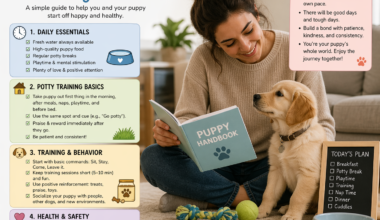
In this guide, I’m sharing the exact methods I’ve used and tested over the years. Furthermore, I’ve included a printable schedule, a day-by-day 7-day plan, and honest answers to the questions every new puppy owner asks. So whether you just brought home an 8-week-old fluffball or you’re trying to fix bad habits in an older pup, this guide covers it all.
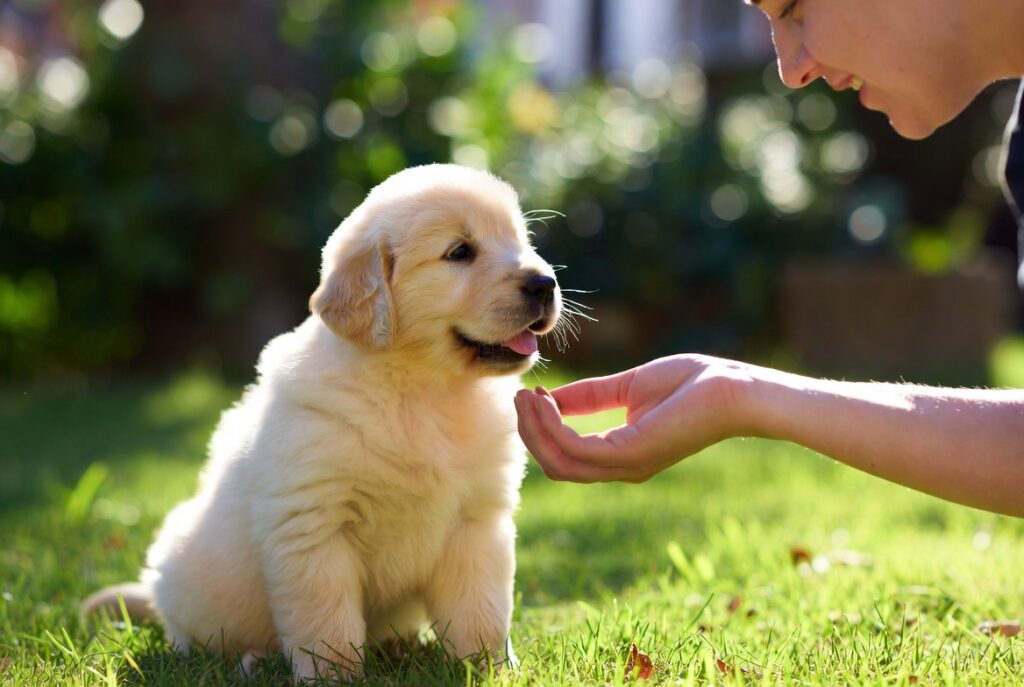
1. Why Potty Training Your Puppy Early Matters
Starting potty training early is one of the best things you can do for your puppy — and for your sanity. In fact, puppies that learn house rules from the very beginning tend to develop fewer behavioral problems overall. Moreover, early training builds a strong bond between you and your pup because you’re communicating clearly and consistently from day one.
The first few weeks at home are a critical window. During this time, puppies are highly receptive to learning routines. Therefore, if you set clear expectations now, you save yourself months of frustration later. I’ve seen this firsthand — puppies I started training at 8 weeks were reliably house trained within 4 to 6 weeks, while puppies that started later often took twice as long.
The Key Benefits of Early Puppy Potty Training
- Fewer accidents indoors means a cleaner and less stressful home
- Your puppy learns to trust the routine, which reduces anxiety
- It builds the foundation for all future obedience training
- Early training prevents bad habits that are hard to break later
Common Mistakes That Slow Down Potty Training
One of the biggest mistakes new owners make is giving their puppy too much freedom too soon. For example, letting a puppy roam the whole house before it’s fully trained is a recipe for accidents. Another common problem is inconsistent timing — if you take your puppy out at random times, it can’t build a reliable routine.
Also, punishing your puppy for accidents is one of the worst things you can do. In contrast to what some people think, punishment doesn’t help puppies understand what went wrong. Instead, it creates fear and confusion, which actually slows down the entire training process. I’ll cover the right approach in detail throughout this guide.
Realistic expectations matter too. Most puppies are not fully reliable until they’re around 4 to 6 months old, and some breeds take up to a year. So, don’t get discouraged — progress, not perfection, is the goal.
2. How Long Does It Take to Potty Train a Puppy?
This is the question I hear most often, and I’ll be honest with you — there’s no single answer. However, most puppies show significant improvement within 4 to 6 weeks of consistent training. Some puppies, especially those started early with a clear schedule, make great progress in as little as 7 days. Others, particularly those with previous bad habits, may need several months.
Typical Puppy Potty Training Timeline by Age
| Age | Bladder Control | Avg. Training Duration |
| 8–10 weeks | Can hold it ~1 hour | 4–8 weeks with consistency |
| 3–4 months | Can hold it ~2–3 hours | 3–5 weeks |
| 4–6 months | Can hold it ~3–4 hours | 2–4 weeks |
| 6+ months | Can hold it ~4–6 hours | 1–3 weeks (or longer if habits exist) |
According to the American Kennel Club (AKC), puppies generally need 4 to 6 months to be fully house trained, though some may take up to a year depending on their size, breed, and prior environment. Smaller breeds often have smaller bladders, which means more frequent breaks are needed.
Several factors affect the timeline, including breed size, the puppy’s age when training starts, previous habits (especially for rescued dogs), whether you live in an apartment or a house, and how consistent you are as an owner. Of all these factors, owner consistency is the one that makes the biggest difference. I’ve seen determined owners house train a puppy in record time simply by sticking to a strict schedule.
3. Supplies You Need Before You Potty Train a Puppy Fast
Before you start, it helps to gather everything you need. Having the right tools on hand makes the whole process smoother. Furthermore, being prepared means you won’t have to scramble when an accident happens — and trust me, accidents will happen.
Here’s what I always recommend having ready before you bring your puppy home:
- A crate sized just right — not too big, not too small. Your puppy should be able to stand up, turn around, and lie down comfortably, but not have enough room to use one corner as a bathroom.
- Puppy pads for the early stages or for apartment training. These are also great as a backup for rainy nights when going outside isn’t easy.
- An enzyme-based cleaner — this is a must. Regular cleaners don’t fully remove the scent of urine, and if your puppy can smell an old accident, it will go in the same spot again. Enzyme cleaners break down the odor at a molecular level.
- Small, high-value training treats. The treat needs to be rewarded within 2 seconds of the behavior for your puppy to associate the reward with the right action.
- A leash and a designated potty spot outdoors. Using the same area every time helps your pup build a scent association, which speeds up the process.
- Optional: potty bells that hang on the door. Some owners find these incredibly useful — the puppy learns to ring the bell when it needs to go out.
If you haven’t already, check out my puppy essentials checklist for a complete breakdown of everything you need in those first few weeks.
4. The Best Puppy Potty Training Schedule
A solid routine is the single most powerful tool in potty training. Puppies thrive on predictability, and when they know what to expect, they learn much faster. In fact, I’d say that a good schedule does 80% of the work for you.
The rule of thumb is simple: take your puppy out first thing in the morning, after every meal, after every nap, after play sessions, and right before bed. Additionally, young puppies need a break every 1 to 2 hours during the day because their bladders are tiny.
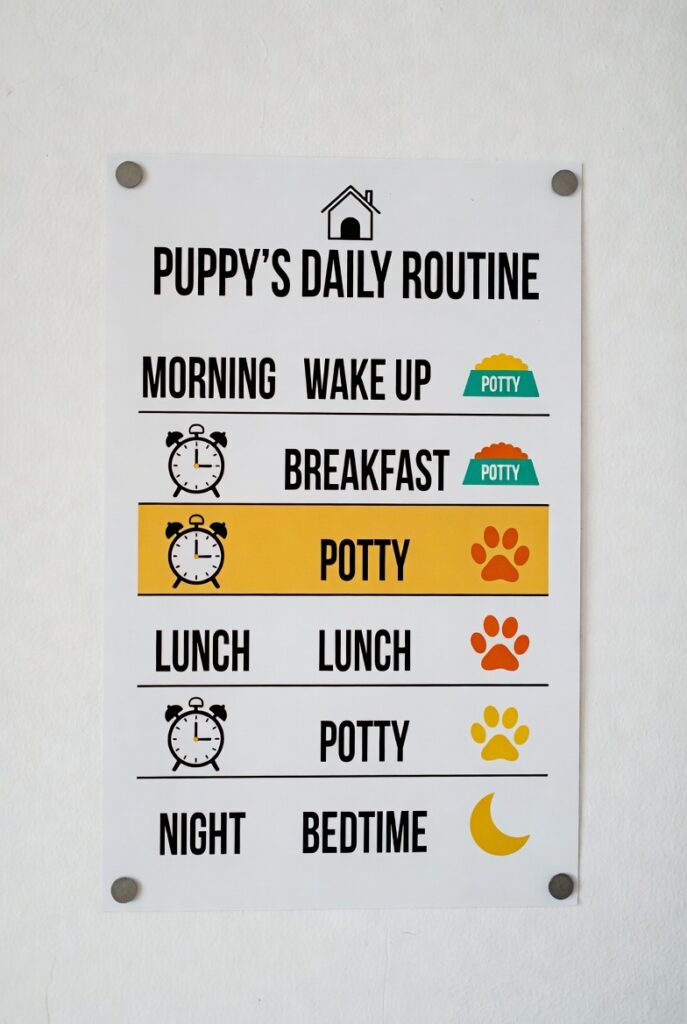
Puppy Potty Schedule — Printable Table
| Time | Activity | 8–10 Weeks | 3–6 Months |
| 6:00 AM | Wake up — take puppy outside immediately | ✅ | ✅ |
| 6:30 AM | Breakfast — potty break 15 mins after eating | ✅ | ✅ |
| 8:00 AM | Potty break | ✅ | — |
| 10:00 AM | Potty break after nap | ✅ | ✅ |
| 12:00 PM | Lunch + potty break | ✅ | ✅ |
| 2:00 PM | Potty break | ✅ | — |
| 4:00 PM | Potty break after nap/play | ✅ | ✅ |
| 6:00 PM | Dinner + potty break | ✅ | ✅ |
| 8:00 PM | Potty break | ✅ | ✅ |
| 10:00 PM | Final potty break before bed | ✅ | ✅ |
| 2:00 AM | Overnight potty break | ✅ | Optional |
Puppy Potty Schedule for 3–6 Months Old
As your puppy grows, you can gradually extend the time between potty breaks. For example, by 3 months, most puppies can wait 2 to 3 hours during the day. However, overnight accidents are still common at this stage, so don’t skip that late-night break just yet.
At this age, you can also start transitioning from puppy pads to outdoor potty training. Move the pad progressively closer to the door over several days, then eventually remove it altogether once your pup is reliable going outside. This gradual shift works much better than a sudden change.
5. How to Potty Train a Puppy Fast — Step by Step
Now let’s get into the actual method. I’ve broken this down into five clear steps that I’ve personally used and refined over the years. Follow these steps consistently, and you’ll see results much faster than if you wing it.
Step 1: Choose One Potty Spot and Stick to It
Pick one specific area outside and take your puppy to that same spot every single time. This is more important than most people realize. When your pup smells its own scent from previous visits, it gets triggered to go. Over time, this scent association makes the process almost automatic. Therefore, resist the urge to switch locations, even if the spot seems inconvenient.
Step 2: Use a Consistent Verbal Command
Choose a simple phrase — I use “go potty” — and say it calmly every time you take your puppy to the spot. Say it once or twice, then wait quietly. Over time, your puppy will associate the phrase with the action. This is especially useful later when you’re in a new environment and want your dog to go quickly on command.
Step 3: Reward Immediately After Success
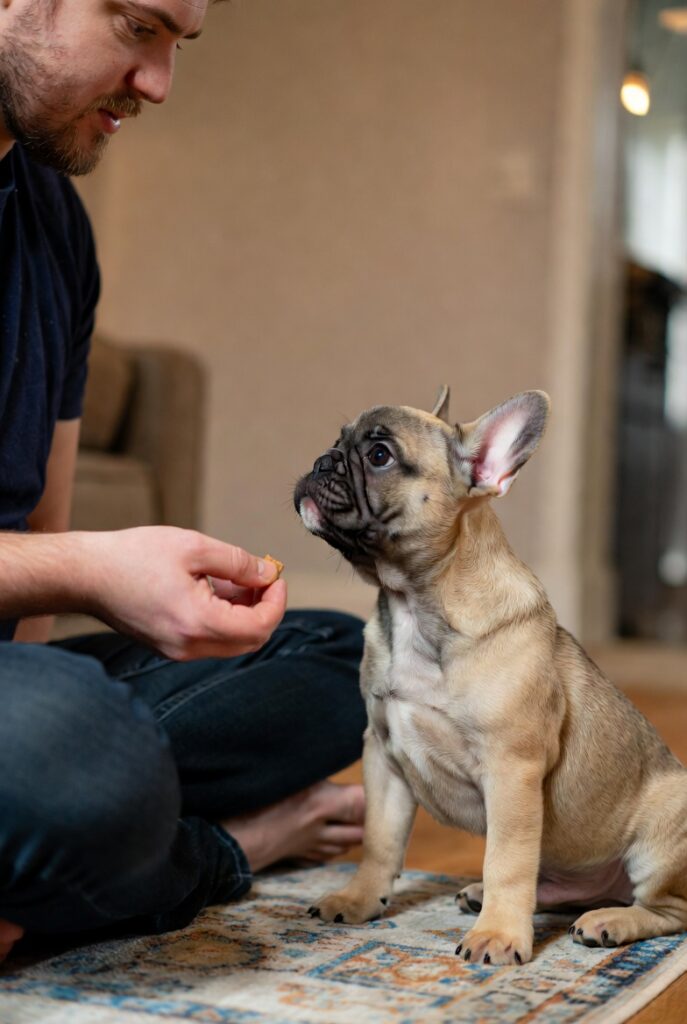
Timing is everything here. The moment your puppy finishes going, give the treat and praise within 2 seconds. Don’t wait until you get back inside — that’s too late, and your puppy won’t connect the reward with the right behavior. I always keep treats in my pocket during the early weeks so I’m never caught without one.
In addition to treats, use a happy, enthusiastic voice. Puppies respond strongly to tone. A bright “yes! good dog!” said with genuine excitement is often just as powerful as the treat itself.
Step 4: Use Crate Training Properly
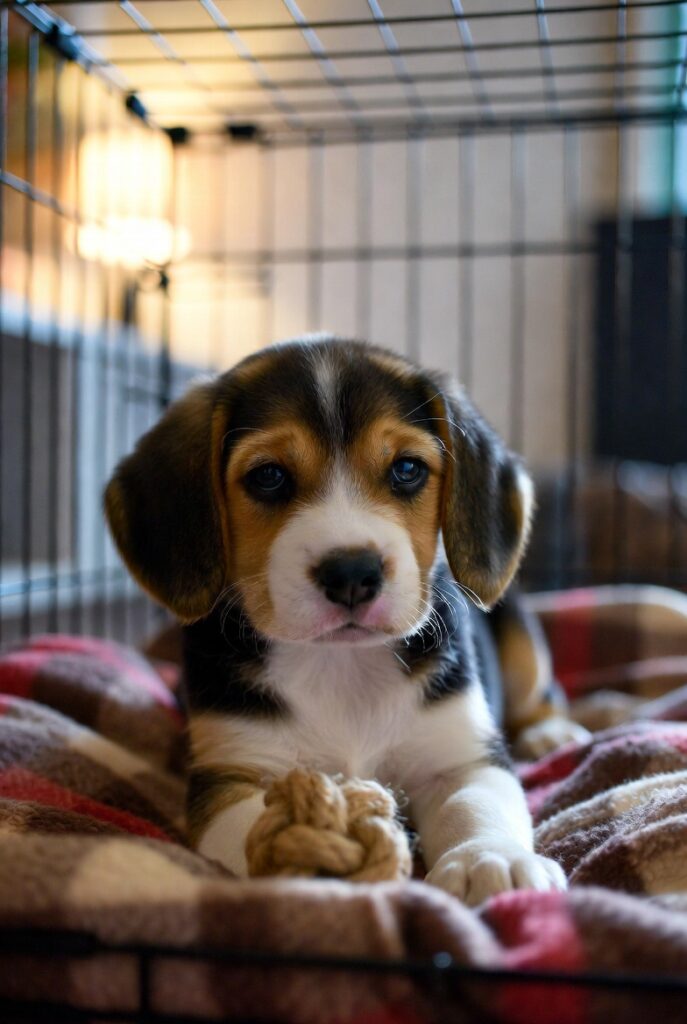
Crate training is one of the fastest ways to speed up house training. Dogs naturally avoid soiling their sleeping area, so a properly sized crate encourages your puppy to hold it until you take it outside. However, the crate must be the right size — if it’s too big, your puppy will simply use one corner as a bathroom.
A general rule, supported by veterinary behavior guidelines, is that puppies should not be in a crate longer than one hour per month of age, plus one. So a 2-month-old puppy should be out within 3 hours max. Overnight is the exception, as puppies can usually hold it a bit longer when they’re sleeping.
For more help setting up your puppy’s space correctly, my complete puppy care guide for beginners walks you through everything in detail.
Step 5: Supervise Closely Indoors
When your puppy is out of the crate, keep a close eye on it at all times. Puppies give clear warning signs before they go — you just need to know what to look for. The most common signs include:
- Sniffing the ground intently
- Circling in one spot
- Whining or becoming restless
- Suddenly leaving the room or moving to a corner
As soon as you see any of these signs, calmly pick up your puppy and take it outside immediately. Don’t rush or panic — that can startle the pup and interrupt the urge. Instead, move quickly but calmly to the potty spot.
6. How to Potty Train a Puppy in 7 Days
Can you fully potty train a puppy in 7 days? Honestly, probably not — not with 100% reliability. However, you can absolutely see major improvement and establish a solid foundation in just one week. I’ve done this with my own dogs, and the 7-day plan works incredibly well when you follow it closely.
The key is intensity. For these 7 days, you need to be fully committed and available. Think of it as a puppy boot camp. The more focused you are during this week, the faster your pup will get the idea.
Day 1–2: Establish the Potty Routine
During the first two days, your only job is to take your puppy outside as often as possible — at minimum every 1 to 1.5 hours. Additionally, go out immediately after every meal, every nap, and every play session. Introduce the verbal cue and start rewarding every successful outdoor potty with treats and praise. Also, start crate training during this phase if you haven’t already.
Expect accidents. On these first days, accidents are not failures — they are part of the process. When an accident happens indoors, simply clean it up thoroughly with enzyme cleaner and say nothing to the puppy. Punishment at this stage does more harm than good.
Day 3–4: Reduce Indoor Accidents
By day three, you should start to notice your puppy’s natural bathroom rhythm. Use this knowledge to anticipate breaks before accidents happen. Furthermore, you’ll get better at reading the warning signs — sniffing, circling, and sudden restlessness. The goal during days 3 and 4 is to catch your puppy before it has a chance to go indoors.
Reinforce every outdoor success enthusiastically. Your puppy is starting to understand what earns the reward, so consistency right now is absolutely critical. Also, if you notice a particular time of day when accidents tend to happen, add an extra potty break at that time.
Day 5–7: Build Independence and Consistency
In the final stretch, start extending the time between breaks by 10 to 15 minutes each day. For example, if your pup was going out every hour, push it to every 1 hour and 15 minutes. Next, try 1 hour and 30 minutes. This gradual stretch trains the bladder while keeping accidents minimal.
Continue using rewards for every successful outdoor potty break throughout this week. Finally, by day 7, you should have a much clearer picture of your puppy’s schedule, and accidents should be significantly less frequent. Remember — the routine you build this week is the foundation for everything that follows.
7. Common Puppy Potty Training Mistakes to Avoid
Even the most well-meaning owners make mistakes during potty training. The good news is that most of these are easy to fix once you know what to look for. Here are the biggest ones I’ve seen over the years:
- Punishing accidents: This is the number one mistake. Rubbing your puppy’s nose in the mess or scolding it after the fact does nothing helpful. Your puppy cannot connect your anger to something it did minutes ago. Instead, clean up quietly and focus on prevention next time.
- Inconsistent potty times: Skipping breaks or changing the schedule constantly confuses your puppy and extends the training timeline significantly.
- Giving too much freedom too soon: Before your puppy is fully reliable, it should only have access to the area you can directly supervise. Therefore, use baby gates or a playpen to limit roaming.
- Using multiple potty locations: Stick to one outdoor spot. Using multiple areas slows the scent association process and confuses your puppy.
- Skipping nighttime potty breaks: Young puppies cannot hold it all night. Skipping the 2 AM break almost guarantees a crate accident, which sets training back.
- Expecting results too quickly: Some puppies are fast learners, while others need more time. In either case, patience is not optional — it’s essential.
8. How to Potty Train a Dog in an Apartment
Apartment potty training has its own unique challenges. For instance, there’s no quick dash to the backyard — every trip outside involves an elevator or stairs. However, with a smart plan, you can absolutely house train a dog successfully in an apartment.
First, decide early whether you want to use puppy pads indoors or go fully outdoor from the start. For young puppies in high-rise apartments, pads can be a practical short-term solution. However, if you rely on them too long, transitioning to outdoor potty training later becomes harder. So, use pads as a bridge, not a permanent solution.
Here are my top apartment potty training tips:
- Pick a consistent outdoor spot close to your building’s entrance. The shorter the trip, the better — especially for young puppies with small bladders.
- Have an emergency plan. If the elevator is busy or your puppy looks like it can’t wait, have a backup pad near the door. Better a pad accident than a hallway accident.
- Build in extra time for trips outside. Apartment trips take longer than a backyard dash, so factor that into your schedule and go out a few minutes earlier than you think you need to.
- Use a consistent route to and from the potty spot. Familiar paths help your puppy understand what’s coming and get ready to go.
If you’re preparing for life with a new dog overall, I’d recommend reading my guide on everything you need to know before getting a dog as a pet — it covers apartment considerations in depth.
9. Potty Training Tips for Stubborn Puppies
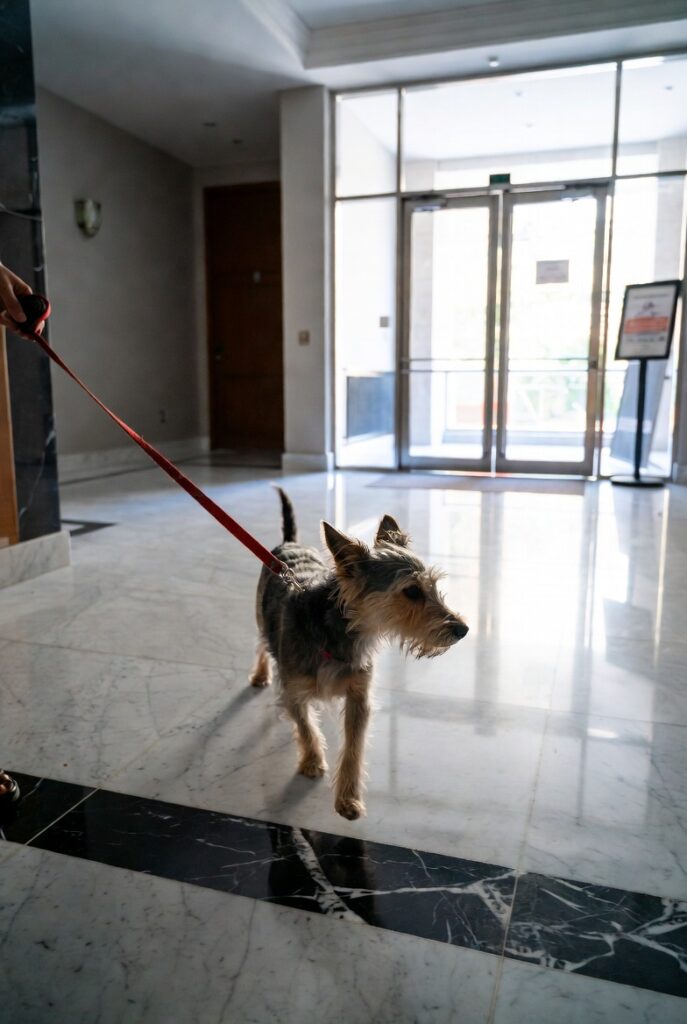
Some puppies just don’t seem to get it — no matter what you try. If you’re dealing with a stubborn pup, first take a breath. It’s not personal, and it doesn’t mean your dog is untrainable. In most cases, there’s an underlying reason that’s easy to address once you identify it.
Why Some Puppies Take Longer
Certain breeds are notoriously harder to potty train than others. For example, Dachshunds, Beagles, and Basset Hounds are known for being independent thinkers, which means they respond less immediately to standard training methods. Additionally, smaller breeds have smaller bladders and faster metabolisms, which means they need more frequent breaks — sometimes as often as every 30 to 45 minutes at 8 weeks old.
Rescued puppies often take longer, especially if they were kept in dirty environments where they had no choice but to soil their sleeping area. In these cases, the instinct to keep their space clean has been weakened, and it takes extra time to rebuild it. Therefore, patience and extra consistency are essential with rescue dogs.
When to Adjust Your Dog Potty Training Schedule
If you’ve been consistent for 3 to 4 weeks and still see multiple accidents daily, it’s time to reassess. First, make sure your enzyme cleaner is truly eliminating all odors — sometimes the issue is simply that your puppy can still smell old accidents. Next, try temporarily increasing the frequency of potty breaks, even if you thought your pup had moved past needing them so often.
Also, consider whether there have been any changes in your puppy’s diet, water intake, or daily routine. These factors directly affect bathroom habits. Furthermore, stress — like a move, a new pet, or a change in the household — can cause temporary regression even in a well-trained puppy.
If accidents continue despite all adjustments, I strongly recommend consulting a veterinarian. Medical issues such as urinary tract infections, bladder stones, or other conditions can make it physically impossible for a puppy to hold its bladder normally. A quick vet check can rule these out and give you peace of mind.
Also, make sure you have the right gear for outdoor training sessions in all weather. My post on dog rain gear and whether your pup really needs it is worth a read — bad weather is one of the top reasons owners skip potty breaks, which sets training back.
10. Final Thoughts on How to Potty Train a Puppy Fast
Learning how to potty train a puppy fast is less about speed and more about being smart, consistent, and patient. The proven methods in this guide — a fixed schedule, crate training, positive reinforcement, and close supervision — work together as a system. Remove any one piece, and the whole thing slows down.
Moreover, every puppy is different. Some learn quickly, while others need more time and extra encouragement. That’s completely normal. Therefore, don’t compare your puppy’s progress to someone else’s. Focus on your dog, your routine, and your consistency — and results will follow.
Finally, remember that the effort you put in now pays off for years to come. A well-house-trained dog is a joy to live with, and the foundation you build during these early weeks shapes your puppy’s behavior for life. You’ve got this!
Expert Resource: For more expert-backed guidance on puppy house training, visit the American Kennel Club’s official potty training guide — one of the most trusted sources for dog behavior and training advice.
Frequently Asked Questions About Puppy Potty Training
How do you potty train a puppy quickly?
The fastest way to potty train a puppy is to combine a consistent schedule, crate training, and immediate positive reinforcement. Take your puppy out every 1 to 2 hours, always after meals and naps, and reward success right away with treats and praise. The more consistent you are, the faster your puppy learns.
How long does it take to potty train a puppy?
Most puppies show major improvement within 4 to 6 weeks of consistent training. However, full reliability — meaning no accidents for several weeks in a row — often takes 4 to 6 months. Smaller breeds and rescue dogs may take longer.
Can you potty train a puppy in 7 days?
You can establish a strong foundation and reduce accidents significantly in 7 days, but full potty training usually takes longer. Think of the 7-day plan as an intensive start, not a finish line. The habits you build in that first week make everything that follows much easier.
What is the best puppy potty training schedule?
The best schedule takes your puppy out first thing in the morning, after every meal, after every nap, after play, and right before bed. Young puppies also need a break every 1 to 2 hours throughout the day. See the printable schedule table in Section 4 for a detailed time-by-time breakdown.
Should I use puppy pads or outdoor potty training?
For most puppies, outdoor potty training from the start is the best approach. However, puppy pads are a practical solution for apartment dwellers or very young puppies that can’t make it outside quickly enough. If you use pads, gradually transition to outdoor training as your puppy grows.
What should I do if my puppy keeps having accidents?
First, increase the frequency of potty breaks and use an enzyme cleaner to fully remove any lingering scents from past accidents. Next, make sure you’re supervising your puppy closely indoors. If accidents continue after several weeks of consistent training, consult a veterinarian to rule out any medical issues.