Table of Contents
1. Why Every New Owner Needs a Puppy Essentials Checklist
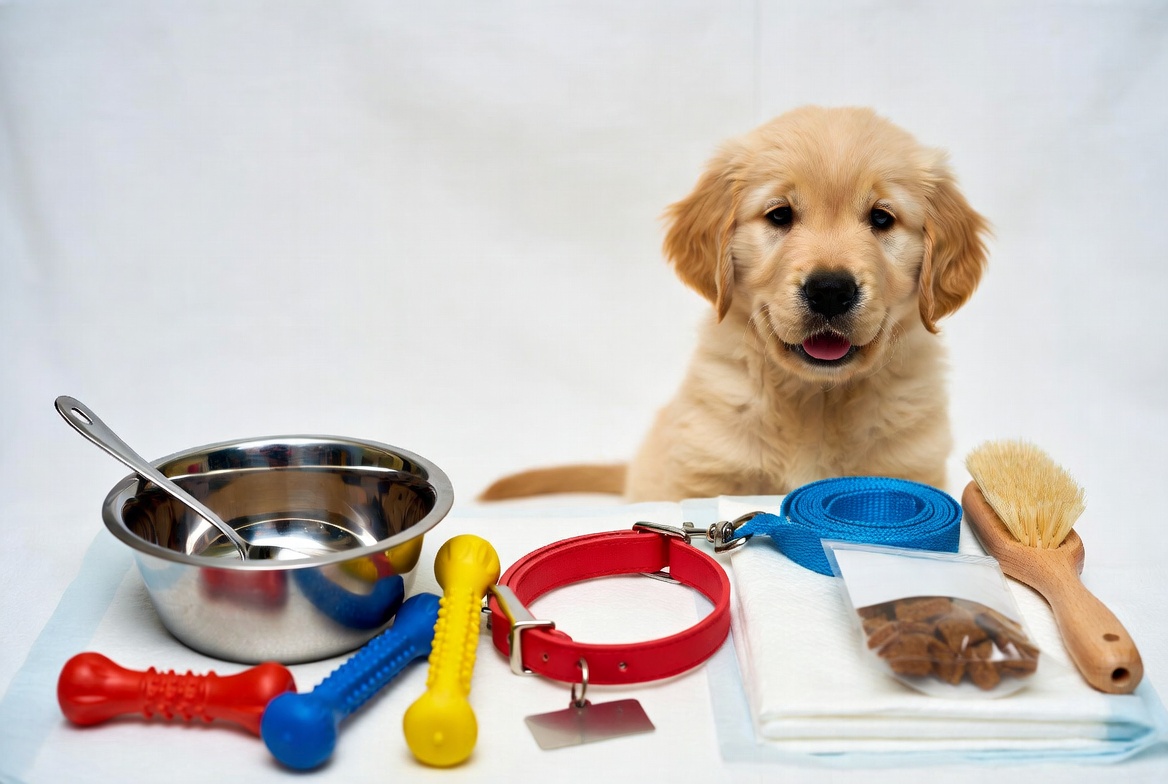
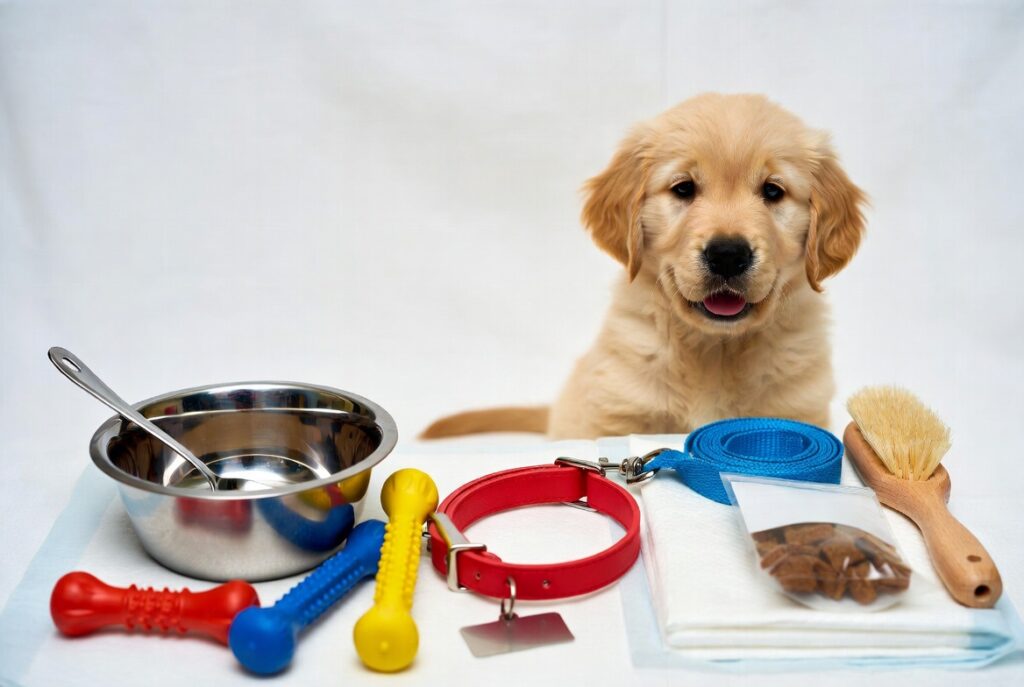
2. Puppy Essentials Checklist: 15 Must-Have Items
3. Puppy Crate
8. Poop Bags and Cleaning Supplies
9. Puppy Toys
10. Puppy Treats
13. Puppy Carrier or Travel Crate
14. First Aid and Health Supplies
15. Training and Socialization Tools
3. Optional Puppy Supplies Worth Considering
4. How Much Do Puppy Essentials Cost?
5. How to Build the Perfect Puppy Essentials Kit
6. Final Puppy Checklist Before Bringing Your Dog Home
I still remember the panic I felt the night before bringing my first puppy home. I had a dog bed, a bag of food, and a whole lot of hope — but almost nothing else. It was only after my pup arrived that I realized just how many things I had missed. That’s exactly why I put together this puppy essentials checklist, so you don’t have to learn the hard way like I did.
Whether you’re a first-time dog owner or adding a new furry member to the family, having the right new puppy essentials in place before your pup walks through the door makes a huge difference. It reduces stress, helps your puppy settle in faster, and keeps you from making those last-minute, expensive grocery store runs. Furthermore, it gives you peace of mind knowing your home is truly ready.
In this guide, I’m sharing 15 must-have puppy supplies that every new owner needs, along with tips on what to buy first, what to skip, and how to build the perfect starter kit without blowing your budget. Let’s get into it.
Why Every New Owner Needs a Puppy Essentials Checklist
Bringing a puppy home is genuinely one of the most exciting things you’ll ever do. However, it can also be overwhelming if you’re not prepared. In my experience, the owners who struggle most in those first few weeks are the ones who show up unprepared — not because they don’t love their dogs, but simply because nobody gave them a clear list of what they actually needed.
A solid puppy checklist takes the guesswork out of the process. Instead of wandering the pet store aisles and grabbing things randomly, you walk in knowing exactly what to buy. As a result, you save time, money, and a lot of stress.
The Benefits of Preparing Before Your Puppy Arrives
Preparing your home and supplies in advance gives you several real advantages:
- It reduces stress for both you and your puppy during those critical first days.
- It helps create a safe, comfortable environment right from the start.
- It prevents you from wasting money on unnecessary items you’ll never actually use.
- It means your puppy gets proper care immediately, rather than after a chaotic run to the store.
- Furthermore, it helps you bond with your pup faster because you’re focused on love and training — not logistics.
Common Mistakes First-Time Puppy Owners Make
I’ve talked to dozens of new puppy owners over the years, and the same mistakes come up again and again. For example, many people buy ten toys but forget to pick up odor-removing cleaning supplies. Others choose the wrong crate size or grab a bag of adult dog food by mistake. Some skip grooming tools entirely, thinking they can get those later — and then regret it during the first bath.
The good news is that all of these mistakes are completely avoidable. That’s exactly why this guide exists. So, let’s go through all 15 items you need — one by one.
Puppy Essentials Checklist: 15 Must-Have Items
Below is my complete new puppy checklist. I’ve personally used or tested most of these items, and where I haven’t, I’ve relied on advice from veterinarians and experienced dog trainers. Therefore, you can trust that these recommendations are practical, not just popular.
1. High-Quality Puppy Food
First and most importantly, your puppy needs the right food. Puppies have very different nutritional needs than adult dogs. They’re growing fast, and their diet needs to support healthy bone development, brain growth, and immune function. Moreover, feeding adult dog food to a puppy can cause serious long-term harm.
Look for puppy-specific formulas that list a real protein source — like chicken, beef, or salmon — as the first ingredient. You’ll also want to check for the AAFCO (Association of American Feed Control Officials) statement on the label, which confirms the food meets nutritional standards for growth. In addition, consider your puppy’s breed size, since large-breed puppies need different calcium-to-phosphorus ratios than small breeds.
Not sure which food is right for your breed? Check out my guide on the complete step-by-step puppy care guide for breed-specific nutrition tips.
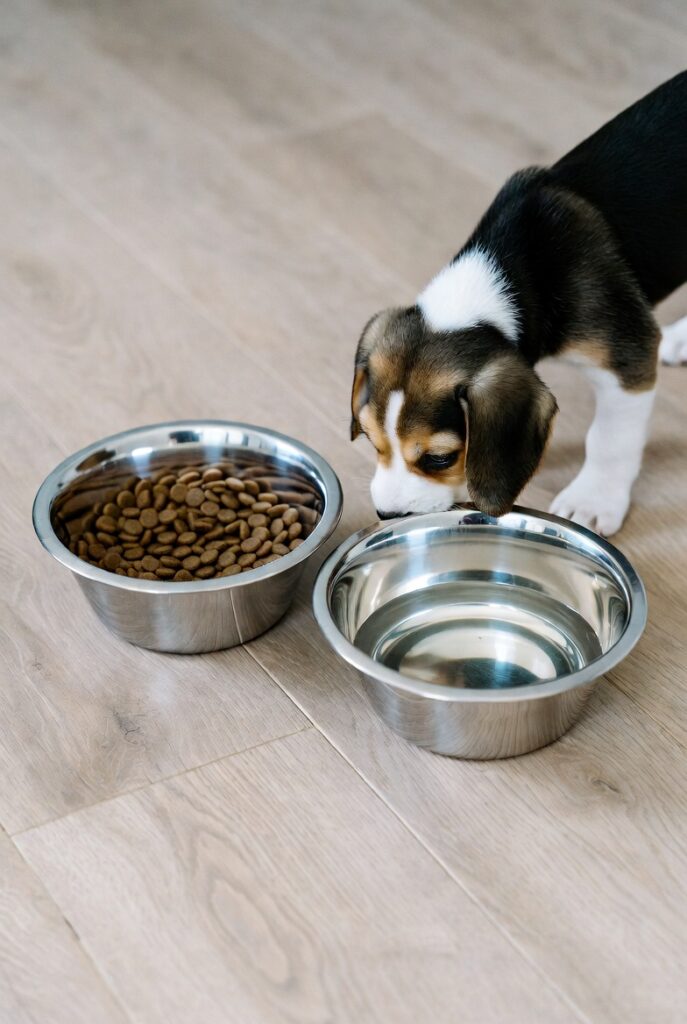
2. Food and Water Bowls
This one seems simple, but there are actually a few things worth knowing. I always recommend stainless steel bowls over plastic ones. Plastic bowls can harbor bacteria in small scratches, and some puppies develop skin irritation around their mouth from plastic contact. Stainless steel bowls, on the other hand, are easy to clean, durable, and don’t hold odors.
For water, consider a slightly larger bowl so it doesn’t need constant refilling. Also, non-slip bases are a nice bonus — puppies tend to push their bowls around when excited, and it gets messy fast.
3. Puppy Crate
A crate is one of those items that new owners sometimes feel guilty about — but it’s actually one of the kindest things you can give your puppy. Dogs are den animals by nature. Therefore, a properly introduced crate becomes a safe, cozy retreat your pup will genuinely love.
When choosing a crate, size matters a lot. Your puppy should have enough room to stand up, turn around, and lie down comfortably — but not so much space that they use a corner as a bathroom. Many crates come with dividers so you can expand the space as your puppy grows, which is a smart investment in the long run.
4. Comfortable Puppy Bed
While your puppy can sleep in their crate, a dedicated bed is a great addition. Look for beds that are washable — because trust me, you will need to wash it. Orthopedic foam beds are excellent for growing joints, and raised sides give puppies a sense of security that helps them sleep more soundly.
I’d also suggest avoiding beds with long, loose strings or decorative buttons in the early months. Puppies chew everything, and those small pieces can become choking hazards. Keep it simple, soft, and safe.
5. Collar and ID Tag
Your puppy needs a collar and ID tag from day one — even before their first walk. If your pup slips out of the yard or gets spooked and runs, that ID tag could be the reason they come home. Include your name, phone number, and city on the tag. Some owners also add their vet’s number, which is a great idea.
For collar style, a flat buckle collar works well for most puppies. Make sure you can slip two fingers underneath comfortably — that’s the right fit. Check the fit regularly, too, because puppies grow surprisingly fast. In addition to the collar, microchipping is strongly recommended by most vets as a permanent form of ID.
6. Leash and Harness
A leash and harness are both essential puppy supplies for safe walks and early training. Harnesses are often better for puppies because they distribute pressure across the chest instead of the neck, reducing the risk of trachea injury — especially in small breeds that pull or lunge.
For leash length, a standard 4–6 foot leash works best for training walks. Retractable leashes might seem convenient, but they actually make it harder to teach proper leash behavior in the early months. I’d hold off on those until your pup has solid leash manners.
7. Puppy Training Pads
Potty training takes time, and puppy training pads make the process much easier — especially if you live in an apartment or can’t always get outside quickly. Place the pads in a consistent spot and reward your puppy every time they use them correctly. Over time, you can gradually move the pad closer to the door to transition to outdoor potty habits.
Look for pads with a built-in attractant, which helps puppies recognize where to go. Furthermore, leak-proof backing is a must unless you enjoy mopping floors at 2 a.m. — which, from experience, you don’t.
8. Poop Bags and Cleaning Supplies
This section is unglamorous but absolutely critical. Every new puppy owner needs poop bags — lots of them. I buy them in bulk and keep them near the leash, in the car, and in my jacket pockets. You’ll also want a high-quality enzymatic cleaner for indoor accidents. Regular household cleaners won’t fully break down the odor compounds, and if your puppy can still smell a previous accident spot, they’ll go there again.
Products like Nature’s Miracle or Rocco & Roxie are trusted options that actually work. Moreover, having a pet-safe stain remover on hand saves your carpets, furniture, and sanity during those early weeks.
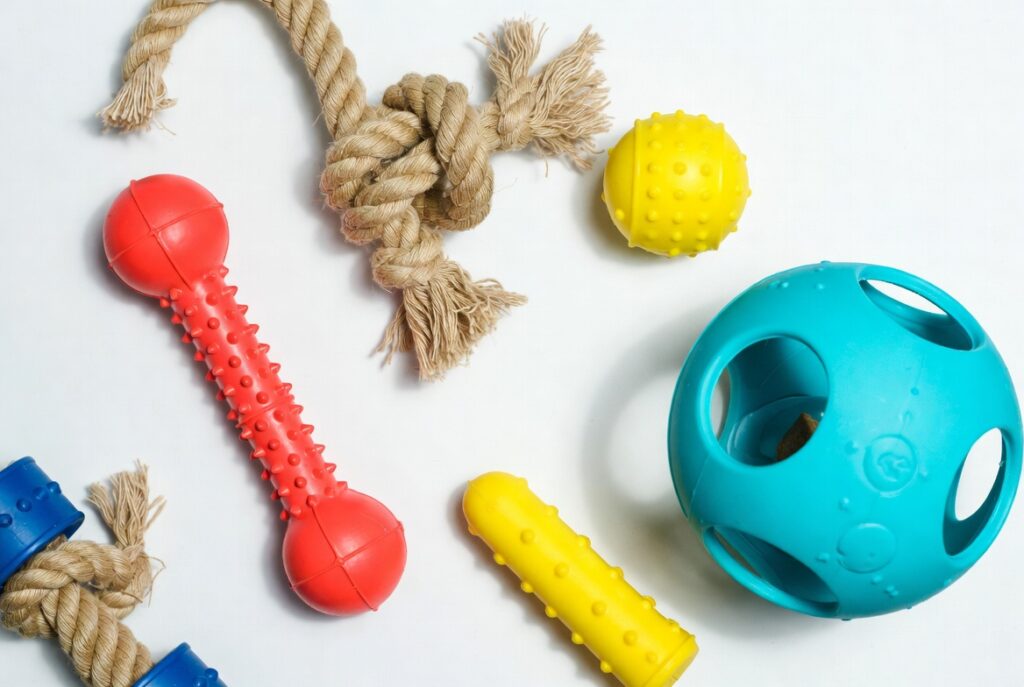
9. Puppy Toys
Toys aren’t just fun — they’re essential for your puppy’s development. Chew toys help with teething discomfort, while puzzle toys encourage mental stimulation that tires puppies out in a healthy way. Comfort toys like soft stuffed animals can help a puppy feel less alone during their first nights away from their littermates.
I recommend starting with a small variety: one chew toy, one tug toy, and one puzzle feeder. From there, you can figure out what your puppy actually enjoys. Avoid toys with small pieces that can break off and be swallowed, and always supervise playtime with new toys until you know they’re safe for your specific pup.
10. Puppy Treats
Treats are your most powerful training tool. Positive reinforcement works, and it works fast when the reward is something your puppy loves. Choose small, soft treats that your puppy can eat quickly without getting distracted. Also, make sure the treats are specifically formulated for puppies — adult dog treats can be too rich or too large.
Keep treats to no more than 10% of your pup’s daily calorie intake. In addition, you can use small pieces of plain cooked chicken or carrot as healthy, low-calorie alternatives for high-frequency training sessions.
11. Grooming Supplies
Grooming isn’t just about looking good — it’s about health. Regular brushing prevents matting, reduces shedding, and gives you a chance to check for skin issues, lumps, or parasites. You’ll need a brush suited to your puppy’s coat type: a slicker brush works well for most breeds, while a de-shedding tool is great for double-coated dogs.
Beyond brushing, your puppy essentials kit should include puppy-safe shampoo, nail clippers, and a finger toothbrush with puppy toothpaste. Starting these routines early makes a huge difference — puppies who get used to grooming young are much easier to handle as adults. Trust me, trying to clip nails on a 60-pound dog who’s never been groomed before is not a fun experience.
12. Puppy Gates or Playpen
Puppies are curious, and curiosity gets them into dangerous situations quickly. Baby gates and puppy playpens let you create safe zones in your home while still giving your pup space to move and explore. For example, you can block off the kitchen when you’re cooking, or keep your puppy out of rooms with electrical cords.
A freestanding playpen is especially useful in the early weeks. It gives your pup a defined area that’s completely puppy-proofed, so you can step away without worrying. Moreover, it helps establish boundaries from the start, which makes training much easier down the road.
For more tips on creating a safe home environment, check out my full guide on everything you need to know before getting a dog.
13. Puppy Carrier or Travel Crate
Vet visits start early, and your puppy needs a safe way to travel. A puppy carrier or travel crate keeps your pup secure in the car and prevents dangerous distractions while driving. Look for a carrier that’s airline-approved if you plan to fly, well-ventilated on multiple sides, and easy to clean.
Soft-sided carriers work well for smaller breeds, while hard-sided crates are more durable for larger or more active puppies. Either way, get your puppy used to the carrier at home before their first vet trip — put a familiar blanket or toy inside to help them feel comfortable.
14. First Aid and Health Supplies
A basic puppy essentials kit for health and emergencies is something every owner should have ready. Hopefully you’ll never need most of it — but when you do, having it on hand matters. Here’s what I keep in my kit:
- Flea comb and tick remover
- Sterile gauze pads and self-adhesive bandages
- Digital rectal thermometer (normal puppy temp: 101–102.5°F)
- Hydrogen peroxide (for inducing vomiting — only under vet guidance)
- Your vet’s contact info and the nearest emergency animal hospital number
- Pet-safe antiseptic spray
According to the American Kennel Club, new puppy owners should schedule a vet visit within the first week of bringing their dog home. That first checkup will confirm your puppy’s vaccination schedule, deworming needs, and overall health status — so don’t skip it.
15. Training and Socialization Tools
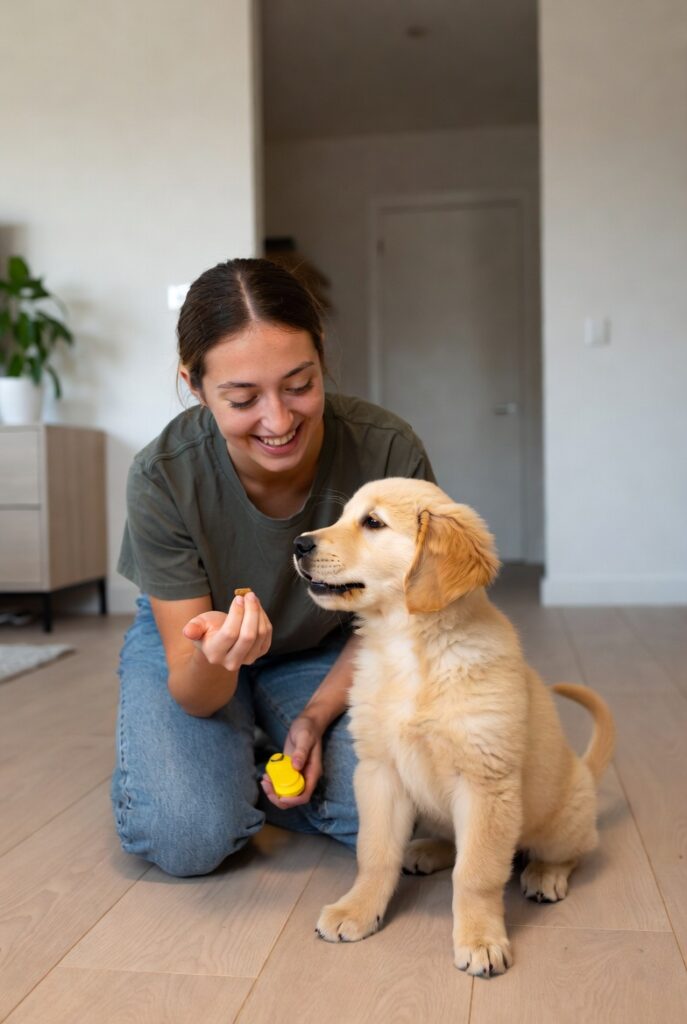
Last on the list, but definitely not least, are training tools. A simple clicker is one of the most effective training aids you can buy — it costs a few dollars and delivers a clear, consistent signal your puppy can quickly learn to associate with good behavior.
Beyond the clicker, consider enrolling in a puppy class. Early socialization — exposing your puppy to different people, sounds, environments, and other dogs — is one of the most important things you can do in the first few months of life. It builds confidence, reduces fear-based behavior later on, and makes your dog a joy to be around in public. The American Veterinary Society of Animal Behavior actually recommends that socialization begin before 12–16 weeks of age for the best outcomes.
Optional Puppy Supplies Worth Considering
Once you’ve covered all 15 must-haves on the puppy essentials checklist, there are a few bonus items that can make life even easier — especially if you have a busy schedule or a particularly curious puppy.
Puppy Camera or Pet Monitor
If you work from home or leave your puppy alone for short stretches, a pet camera is genuinely worth it. You can check in via your phone, and many models include two-way audio so you can talk to your pup and hear their response. Some even dispense treats remotely, which is brilliant for keeping anxious puppies calm.
Car Seat Cover or Car Harness
If your puppy will ride in the car regularly, a car seat cover protects your upholstery from mud, hair, and accidents. A car harness that attaches to the seatbelt keeps your pup safe and prevents them from jumping into the front seat while you’re driving.
Wondering what else your pup might need when heading outside in bad weather? My article on dog rain gear and whether your pup really needs it covers exactly that.
Automatic Feeders and Water Fountains
Automatic feeders help you maintain consistent meal times even when your schedule gets hectic. Water fountains, meanwhile, encourage puppies to drink more water by keeping it fresh and circulating. Both are great tools for busy pet owners who want to maintain a routine without being physically present for every single meal.
How Much Do Puppy Essentials Cost?
One of the most common questions I get is: how much should I actually budget? Honestly, it varies quite a bit depending on the brands you choose and how many of these items you already have. However, here’s a realistic breakdown to help you plan.
Budget-Friendly Puppy Essentials
If you’re shopping carefully and looking for solid value over premium brands, you can put together a complete puppy starter kit for around $150–$250. That’s enough to cover food, a crate, basic toys, cleaning supplies, a collar, and a leash without spending a fortune.
Where to Save vs Where to Spend
Not all items are worth splurging on. Here’s my honest take on where your budget is best spent:
Spend more on:
- Puppy food — nutrition is foundational and cheap food often costs more in vet bills later.
- The crate — a well-made crate lasts years and keeps your pup safe.
- Health and first aid supplies — this is not the place to cut corners.
Save on:
- Toys — puppies often prefer a crinkled water bottle over a $20 toy anyway.
- Accessories like bandanas, clothes, and decorative collars.
- Multiple beds — start with one and upgrade when needed.
How to Build the Perfect Puppy Essentials Kit
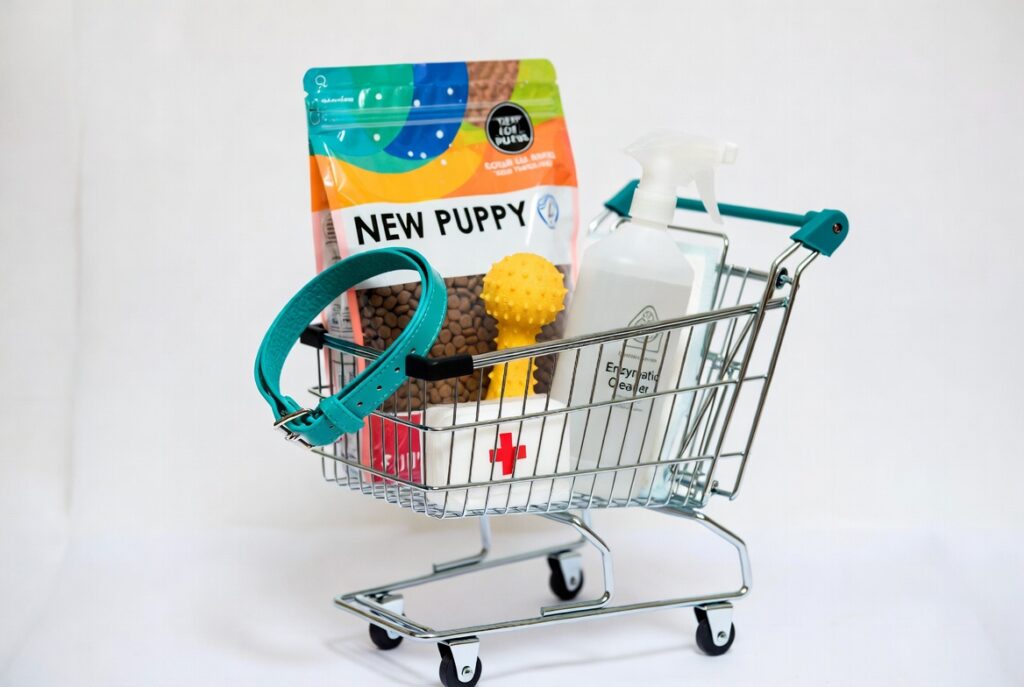
Building your kit doesn’t have to be complicated. The key is to prioritize what you need on day one versus what can wait a week or two.
Must-Have Items to Buy Before Bringing Your Puppy Home
These are the non-negotiables. Have them ready before your puppy arrives:
- Puppy food (ask the breeder or shelter what food they’ve been using to avoid digestive upset)
- Food and water bowls
- Crate with bedding
- Collar and ID tag
- Leash and harness
- Training pads
- Poop bags and enzymatic cleaner
- At least 2–3 appropriate toys
- Basic grooming supplies
- First aid kit with vet contact info
Items You Can Buy Later
Once your puppy has settled in and you understand their personality better, you can start adding optional upgrades. These might include a puppy camera, an automatic feeder, a car seat cover, or specialty grooming tools for their specific coat type. There’s no rush — get the essentials right first, then expand from there.
Final Puppy Checklist Before Bringing Your Dog Home
Here’s a quick summary of everything you need. Print this out, take it to the pet store, and check things off as you go:
- ✅ High-quality puppy food
- ✅ Stainless steel food and water bowls
- ✅ Appropriately sized crate
- ✅ Soft, washable puppy bed
- ✅ Collar with ID tag
- ✅ Leash and harness
- ✅ Puppy training pads
- ✅ Poop bags and enzymatic cleaner
- ✅ Variety of safe puppy toys
- ✅ Puppy-specific treats
- ✅ Grooming supplies (brush, shampoo, nail clippers, toothbrush)
- ✅ Baby gate or playpen
- ✅ Carrier or travel crate
- ✅ Basic first aid kit
- ✅ Training clicker and puppy class enrollment
Bringing a puppy home is one of the most rewarding experiences you can have. However, it’s also one that rewards preparation. When you have the right puppy supplies ready, you spend less time scrambling and more time connecting with your new best friend. Therefore, use this puppy essentials checklist as your starting point, trust the process, and enjoy every single chaotic, wonderful moment of those early weeks.
Frequently Asked Questions
What are the most important puppy essentials?
The most critical items are high-quality puppy food, a properly sized crate, a collar with ID tag, a leash, training pads, and enzymatic cleaning supplies. These cover your puppy’s basic safety, nutrition, and comfort needs from day one.
What should I buy before bringing a puppy home?
At minimum, have food, bowls, a crate, a collar, a leash, training pads, poop bags, and a few toys ready before your puppy arrives. These are the immediate essentials that you’ll need from the very first night.
How much do puppy supplies cost?
A basic puppy starter kit typically costs between $150 and $250, depending on the brands you choose and your puppy’s size. Budget more for food and the crate, and save on accessories and extra toys.
Do puppies need a crate?
Yes, a crate is strongly recommended. Dogs are naturally den animals, and a crate gives them a safe, secure space to rest. It also makes potty training significantly easier and protects your home when you can’t supervise your puppy directly.
What should be included in a puppy essentials kit?
A complete puppy essentials kit should include food and bowls, a crate and bed, collar and ID tag, leash and harness, training pads, cleaning supplies, toys, treats, grooming tools, a carrier, and a basic first aid kit. That covers everything your puppy needs to be safe, healthy, and happy.