Table of Contents
- Why Puppy Care Matters for Beginners
- Preparing Your Home Before Bringing a Puppy Home
- How to Take Care of a Puppy During the First Week
- Puppy Feeding Basics Every Beginner Should Know
- Puppy Sleep and Crate Training Tips
- Potty Training Your Puppy Step by Step
- Puppy Grooming and Hygiene Basics
- Puppy Health Care for Beginners
- Puppy Training and Socialization Tips
- How to Care for Newborn Puppies
- How to Care for a 3 Week Old Puppy
- Common Puppy Care Mistakes to Avoid
- Final Thoughts on Puppy Care for Beginners
- Frequently Asked Questions
Bringing home a puppy is one of the most exciting things you’ll ever do. However, it also comes with a lot of responsibility — especially if this is your first time. Good puppy care for beginners starts the moment your new furry friend walks through the door, and the habits you build in those early weeks will shape your dog’s entire life. In this guide, I’m going to walk you through everything you need to know — from how to care for a puppy on day one, to feeding schedules, grooming, potty training, and health care. Whether you just got a tiny newborn or a bouncy 8-week-old, this step-by-step puppy care guide is designed specifically for first-time owners like you.

Why Puppy Care Matters for Beginners
A lot of first-time owners think raising a puppy is simple. Feed them, walk them, and everything falls into place. However, that’s not quite how it works.
The truth is, the way you care for your puppy in their first few months has a direct and lasting impact on their health, behavior, and personality.
Good puppy care starts early. For instance, puppies that are socialized, trained, and vet-checked in their first 12 weeks are far more likely to grow into calm, confident adult dogs.
On the other hand, puppies that miss out on structure and early health care often develop anxiety, aggression, or chronic health problems later on.
Furthermore, learning how to take care of a puppy properly also means knowing what not to do. Many beginners make common mistakes, like overfeeding, skipping vet visits, or leaving their puppy alone for too long.
Therefore, understanding the basics from the start will save you a lot of stress, money, and heartache down the road.
Preparing Your Home Before Bringing a Puppy Home
Puppy-Proof Your House
Before your puppy arrives, you need to make your home safe. Think of it like baby-proofing — because puppies are curious, clumsy, and will chew on almost anything they can reach.
- Remove loose electrical wires and cords from floor level
- Put away small objects that could be swallowed — coins, rubber bands, buttons
- Remove toxic plants like aloe vera, lilies, and pothos from reach
- Secure cabinets that hold cleaning products or medications
- Block off stairs or rooms you don’t want your puppy to access
- Keep human foods like grapes, chocolate, onions, and xylitol products out of reach
Also, set up a dedicated sleeping and play area. Puppies feel safer when they have their own little corner. A crate or playpen in a quiet spot works really well, especially in the beginning.
If you’re wondering whether dogs need outdoor protection too, check out our guide on dog rain gear and whether your pup really needs it — because yes, the outside world has its own set of hazards.
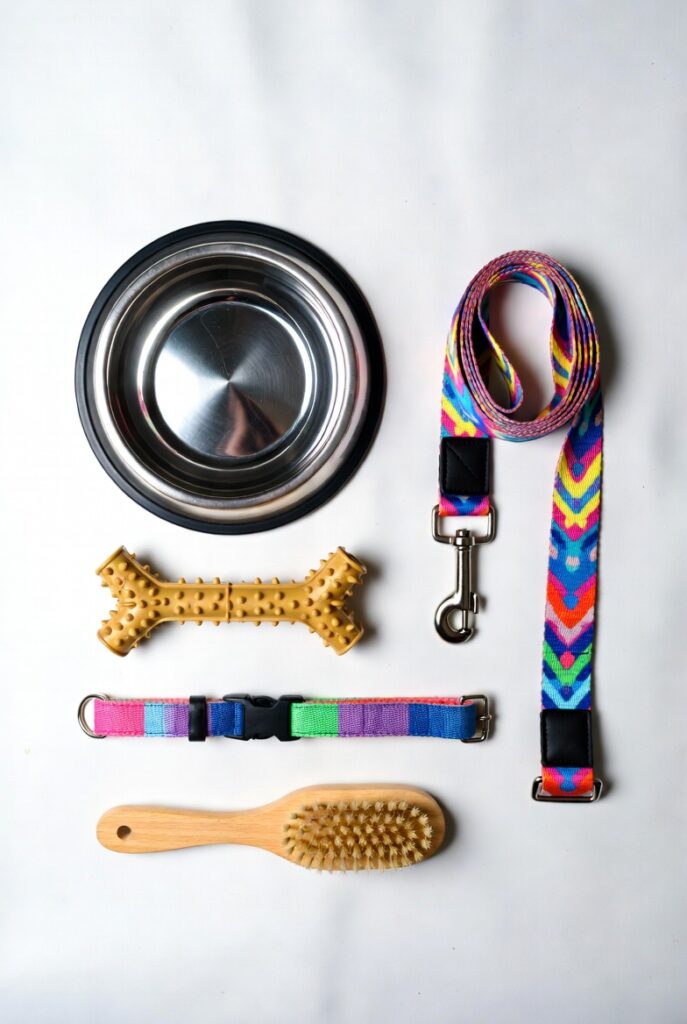
Essential Puppy Supplies You Need
- Food and water bowls
- High-quality puppy food
- A crate or dog bed
- Collar, ID tag, and leash
- Toys and chew items
- Puppy pads
- Grooming tools
Having all of this ready before your puppy’s first day makes the transition much smoother for both of you.
How to Take Care of a Puppy During the First Week
The first week is a big adjustment, not just for your puppy, but for you too.Your new pup has left their mother, their siblings, and the only environment they’ve ever known. Therefore, your job during this period is to make them feel safe, not overwhelmed.
First Week Puppy Tips
- Keep things calm,
- Stick to a simple routine
- Let them explore at their own pace
- Introduce one room at a time
- Be patient with nighttime crying
Also, start forming a bond through gentle handling. Hold your puppy, stroke them, and speak in a calm, soft voice.
Puppy Feeding Basics Every Beginner Should Know
How Often Should You Feed a Puppy?
- 6–12 weeks old: Feed 4 times per day
- 3–6 months old: Feed 3 times per day
- 6–12 months old: Feed 2 times per day
- Over 12 months: Transition to adult feeding schedule
Always measure portions carefully and make sure your puppy has access to fresh, clean water.
Best Foods for Puppy Growth
- Choose a high-quality puppy-specific formula
- Dry kibble helps with dental health
- Wet food adds hydration
- Avoid chocolate, grapes, onions, garlic, and xylitol
- Treats should make up no more than 10% of daily calories
Puppy Sleep and Crate Training Tips
Young puppies sleep between 16 and 20 hours a day. Therefore, don’t worry if your puppy seems to nap constantly.
Crate training helps your puppy feel safe and secure.
Crate Training Tips
- Choose the right size crate
- Add a soft blanket inside
- Feed meals near the crate
- Never use the crate as punishment
- Start with short sessions
Potty Training Your Puppy Step by Step
Create a Bathroom Schedule
Take your puppy outside:
- First thing in the morning
- After every meal
- After playtime or naps
- Before bedtime
Reward Good Behavior
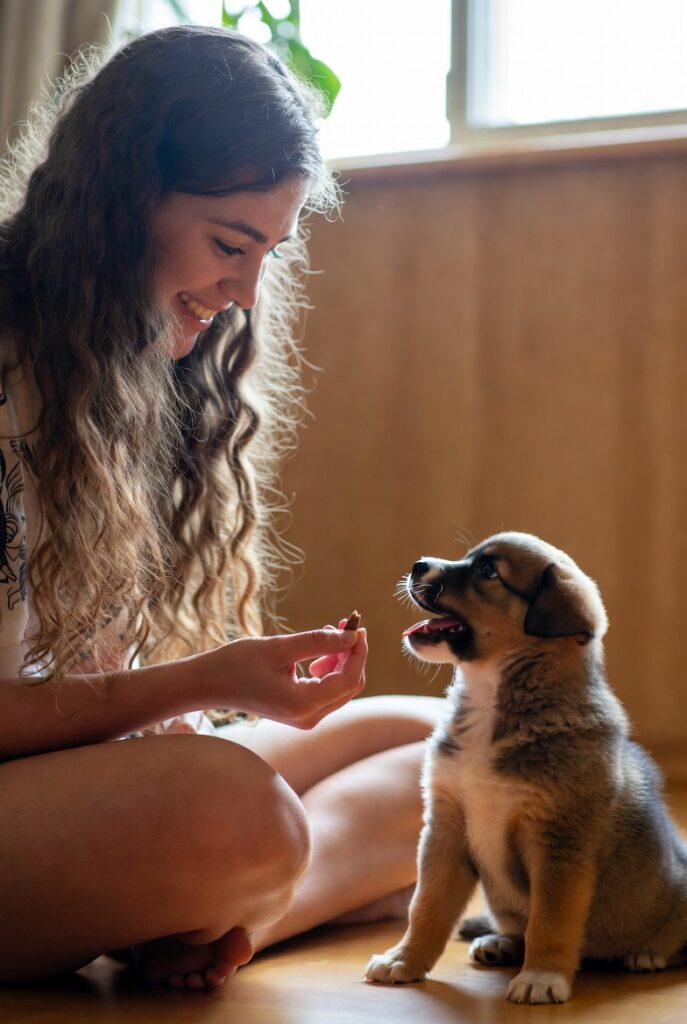
Positive reinforcement is the best way to potty train.Reward your puppy immediately after they go outside with praise or a small treat.
Puppy Grooming and Hygiene Basics
- Bathe your puppy every 3–4 weeks
- Brush their coat several times a week
- Trim nails every 3–4 weeks
- Check ears weekly
- Brush teeth regularly with dog-safe toothpaste
Make grooming a positive experience by using treats and praise.
Puppy Health Care for Beginners
First Vet Visits and Vaccines
- 6–8 weeks: First DHPP vaccine
- 10–12 weeks: Second booster
- 14–16 weeks: Third booster and rabies vaccine
- 12–16 months: Annual boosters
Signs Your Puppy May Be Sick
- Loss of appetite
- Vomiting or diarrhea
- Extreme tiredness
- Trouble breathing
- Eye or nose discharge
Always contact your vet if something feels wrong.
Puppy Training and Socialization Tips
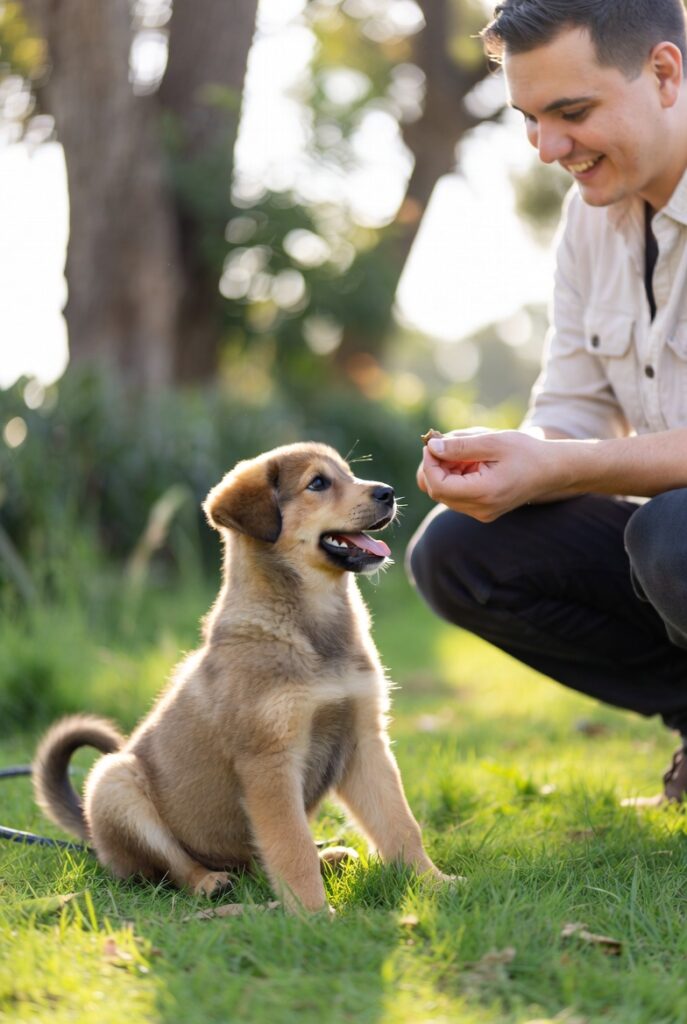
Training helps your puppy learn how to behave safely and confidently.
Start With Basic Commands
- Sit
- Stay
- Come
- Leave it
Socialization Tips
- Introduce your puppy to different people
- Expose them to new sounds and places
- Let them meet vaccinated dogs
- Redirect biting and chewing to toys
How to Care for Newborn Puppies
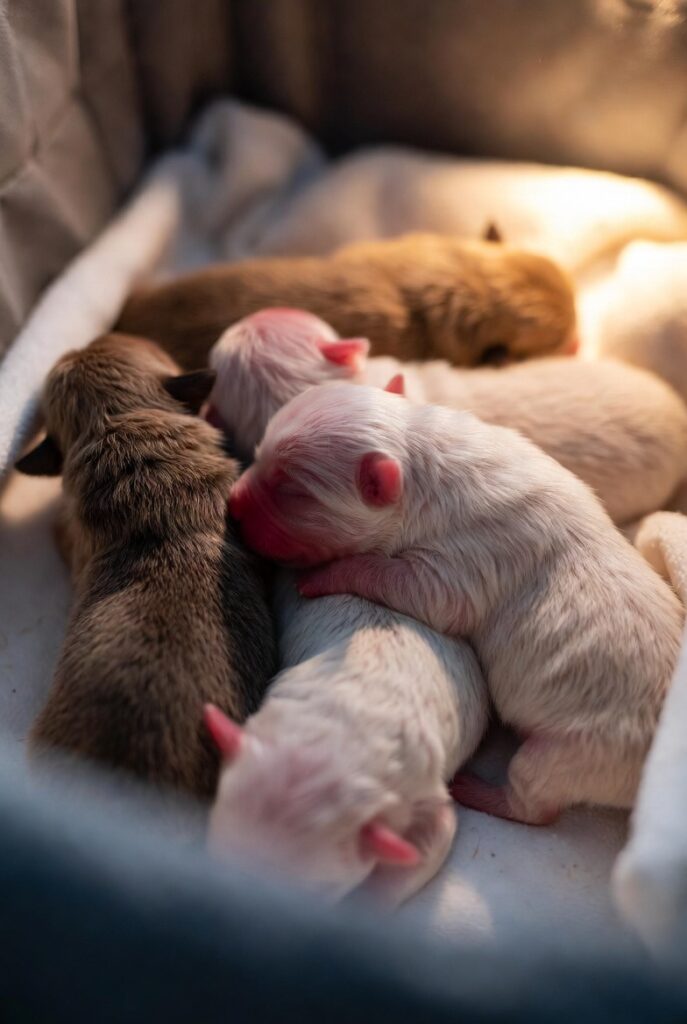
Newborn puppies need round-the-clock care because they cannot regulate their body temperature.
Newborn Puppy Care Basics
- Keep them warm
- Feed every 1–2 hours if hand-raising
- Help them stay clean
- Watch for illness signs
How to Care for a 3 Week Old Puppy
By three weeks old, puppies begin opening their eyes and ears.
What a 3 Week Old Puppy Needs
- Puppy milk replacer or mother’s milk
- Watered-down puppy food gruel
- Gentle socialization
- A warm sleeping area
- Daily weight monitoring
Common Puppy Care Mistakes to Avoid
- Overfeeding
- Skipping vaccinations
- Inconsistent training
- Leaving puppies alone too long
- Using harsh punishment
The best puppy care approach is built on patience, consistency, and kindness.
Final Thoughts on Puppy Care for Beginners
Nobody gets puppy care perfect from day one.However, what makes a great dog owner is showing up every day with patience, love, and a willingness to learn.Feed consistently, train gently, socialize early, and keep up with vet appointments.Most importantly, enjoy puppyhood because it goes by quickly.
Frequently Asked Questions
How do I take care of a puppy for the first time?
Start by puppy-proofing your home, creating a feeding schedule, and setting up a comfortable sleeping area.
How often should a puppy eat per day?
Puppies under 12 weeks should eat 4 times a day.
When should a puppy have their first vet visit?
Ideally within the first 5–7 days of bringing them home.
How do I potty train a puppy fast?
Use a consistent routine and reward outdoor potty breaks immediately.
How long can I leave a puppy alone?
Young puppies under 3 months should not be left alone for more than 1–2 hours.
What do I do if my puppy won’t stop crying at night?
Use a warm blanket, a soft toy, and a bedtime routine to help them feel secure.
When can a puppy start going outside?
Puppies can begin going outside in safe areas after their first vaccines.