Introduction
Let me be real with you — I used to laugh at dogs wearing raincoats. I thought it was one of those over-the-top pet parent things, like buying your dog a birthday cake or dressing them up for Halloween. But then I got a Chihuahua named Mochi, and the first time I took her out in heavy rain, I watched her shiver so hard she could barely walk. That was my wake-up call.
Since then, I’ve gone deep into the world of dog rain gear, and honestly? It’s not as silly as I once thought. Whether you’re a new dog owner trying to figure out if your pup needs a raincoat, or a seasoned pet parent questioning whether you’re overdoing it, this article is for you.
I’m going to walk you through everything — what dog rain gear actually is, whether your specific dog needs it, the real benefits, and how to choose the right gear without wasting money. By the end of this, you’ll know exactly what your dog needs (and what they definitely don’t).
What Is Dog Rain Gear?
Before we get into the big question of whether your dog actually needs it, let me break down what dog rain gear even means, because it’s more than just a tiny raincoat.
Definition and Purpose
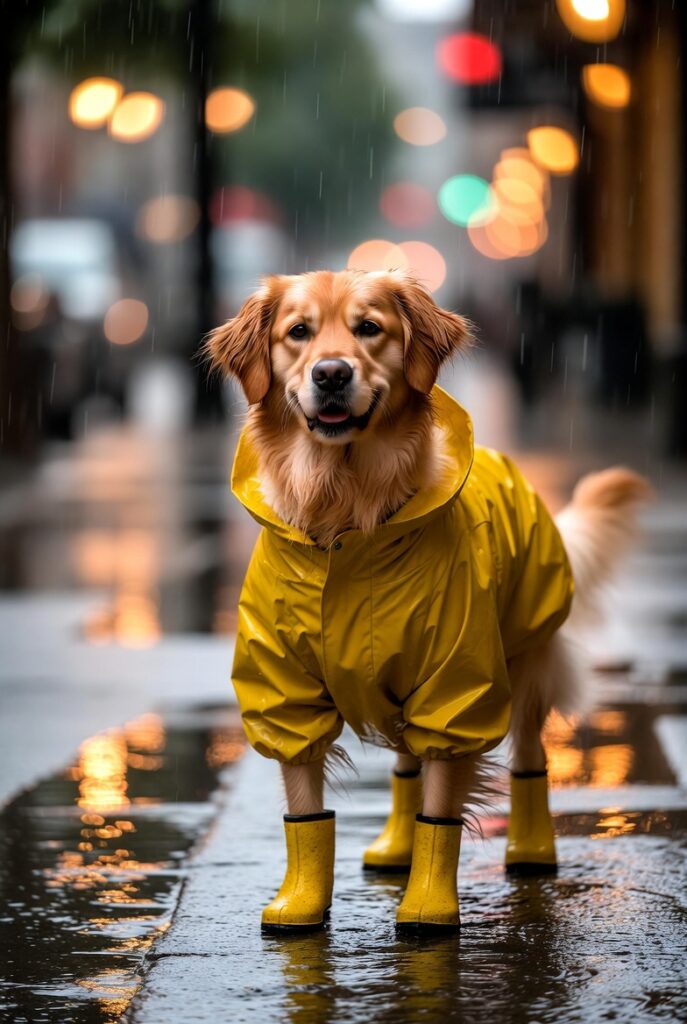
At its core, dog rain gear is any wearable item designed to protect your dog from rain, wind, cold, and wet conditions during outdoor activities. Just like you wouldn’t want to walk around in a downpour without an umbrella or a jacket, some dogs genuinely benefit from having that same kind of protection.
The primary purpose is to keep your dog dry, reduce exposure to cold temperatures, and make outdoor activities more comfortable — especially during those months when the weather is just relentlessly miserable.
Common Types of Dog Rain Gear
Not all dog rain gear is created equal, and the variety might surprise you. Here’s what’s out there:
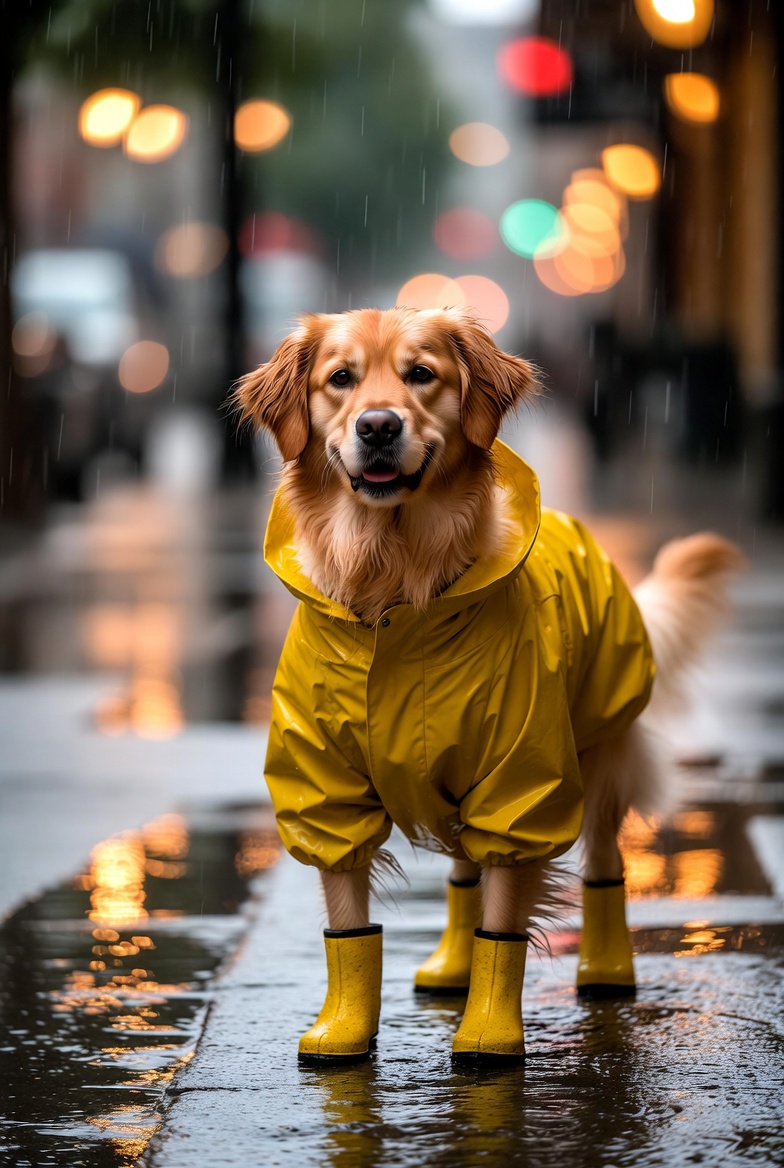
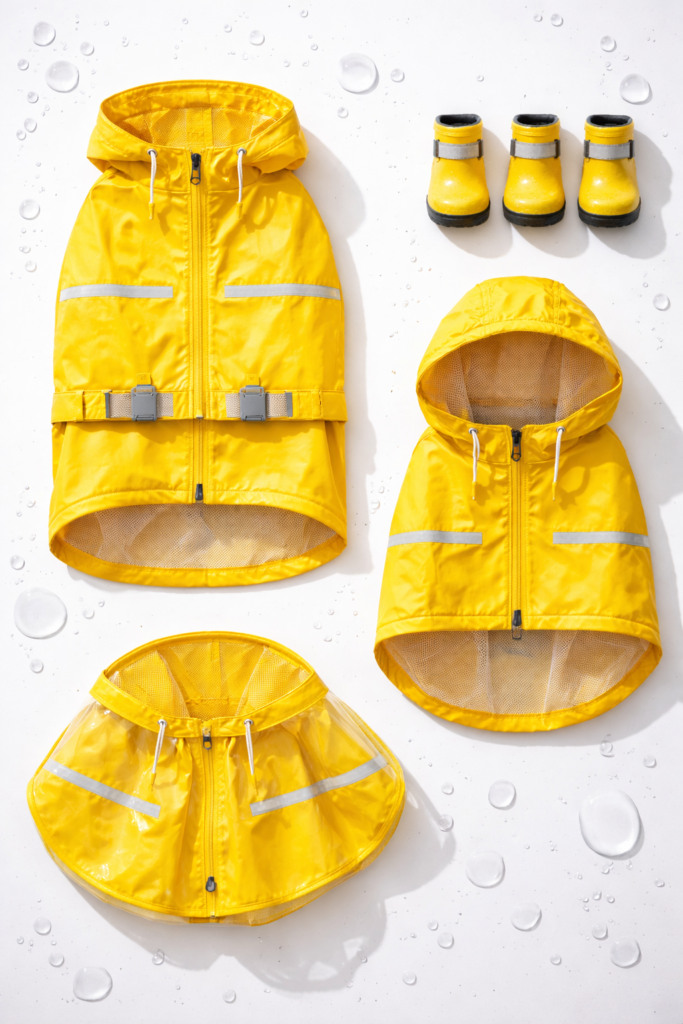
Waterproof Dog Raincoats These are the most popular option and the first thing that comes to mind when people think of dog rain gear. A good waterproof dog raincoat covers your dog’s back, sides, and sometimes their belly, keeping the majority of their body dry. They come in lightweight versions for mild rain and heavier-duty options for serious downpours.
Dog Rain Jackets with Hoods A step up from the basic raincoat, a dog rain jacket with a hood offers extra coverage around your dog’s head and neck. This is especially useful for breeds with short ears or thin fur around the face. Some dogs tolerate hoods well; others hate them — it really depends on your individual pup.
Dog Boots for Wet Weather I know, I know — dog boots look ridiculous. But hear me out. Dog boots for wet weather serve a surprisingly important purpose. Wet paws that are constantly exposed to cold puddles, muddy streets, and winter slush can actually lead to cracked pads, fungal infections, and general discomfort. Dog boots keep paws dry and protected, and they also make post-walk cleanup about ten times easier.
Full-Body Rain Suits For dogs that really struggle in wet weather, full-body rain suits are a thing. They cover almost everything — legs, back, belly, sometimes even the tail area. These are particularly popular for dogs with very short coats or those living in regions with prolonged rainy seasons.
Do Dogs Really Need Rain Gear?
Here’s the honest answer: it depends. And I know that’s not the crisp yes-or-no you might be looking for, but it’s the truth. Let me break down the factors that actually determine whether your dog needs dog weather protection.
Factors That Influence the Need
Dog Breed and Coat Type
This is probably the biggest factor. Dogs with thick, double-layered coats — think Siberian Huskies, Golden Retrievers, German Shepherds — are naturally built for harsh weather. Their coats act as insulation and can repel a significant amount of moisture on their own. These dogs usually don’t need a raincoat unless they’re going to be out for a very long time in very heavy rain.
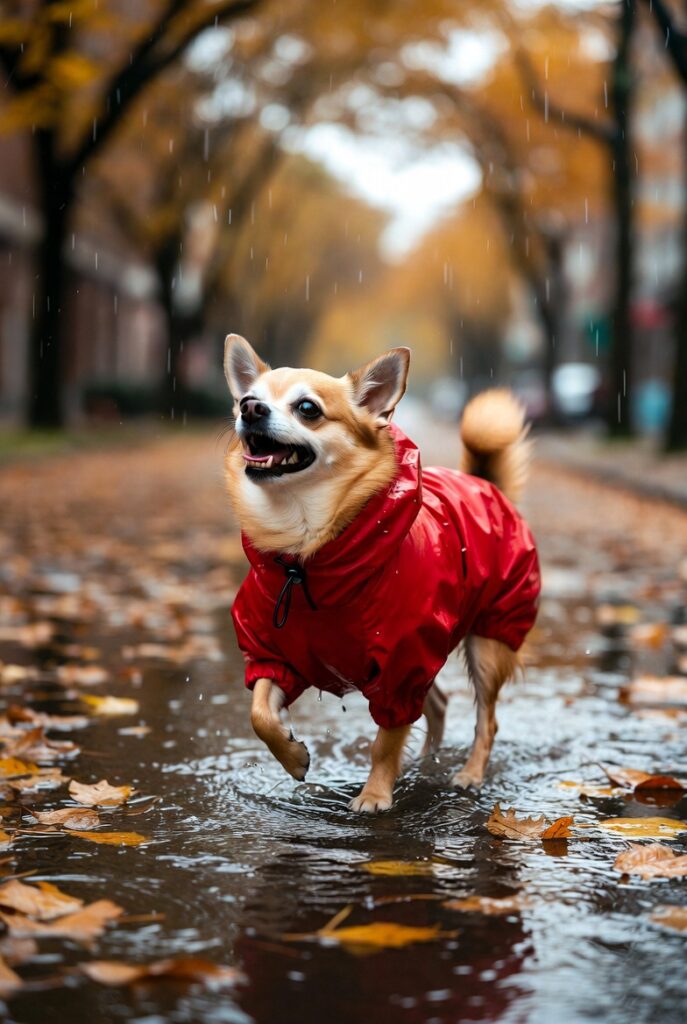
On the other hand, short-haired breeds like Greyhounds, Chihuahuas, Whippets, Dachshunds, and Boxers have very little natural protection. They get cold fast, get wet fast, and they can feel genuinely miserable in rainy, windy conditions. For these breeds, dog rain gear isn’t a luxury — it’s a comfort necessity.
Size and Body Fat Percentage
Smaller dogs lose body heat much faster than larger dogs. A tiny 5-pound Yorkie standing in the rain is going to get chilled almost immediately, while a 90-pound Labrador might barely notice. Body fat also plays a role — leaner dogs with less insulating fat tend to feel the cold more intensely.
Age — Puppies and Senior Dogs
Young puppies and older senior dogs sit at opposite ends of vulnerability. Puppies haven’t fully developed their thermoregulation systems yet, so they can get cold very quickly. Senior dogs, especially those with arthritis, joint issues, or weakened immune systems, are also more susceptible to the effects of cold, wet weather. For these pups in particular, dog weather protection can genuinely make a difference in their health and comfort.
Climate and Weather Conditions
Where you live matters enormously when it comes to whether you need wet weather dog gear.
If you’re in Seattle, Portland, the Pacific Northwest, or anywhere in the UK — basically places where grey drizzle is basically a personality trait — your dog is going to be encountering wet weather a lot. Consistent exposure to damp conditions can cause problems over time, even for dogs with decent coats.
If you live somewhere like Southern California or Arizona where rain is an occasional event, you might never need dog rain gear at all.
Cold rain is also a completely different experience than warm summer rain. A July shower might actually feel refreshing to your dog. A November downpour with 40°F temperatures? That’s a very different situation, especially for vulnerable breeds.
Health and Comfort Considerations
Beyond the basics, there are some specific health concerns worth understanding:
Risk of Hypothermia Yes, dogs can get hypothermia. It’s more common in small dogs, puppies, senior dogs, and short-coated breeds who are exposed to cold and wet conditions for extended periods. Symptoms include excessive shivering, lethargy, weakness, and muscle stiffness. A waterproof dog raincoat can genuinely help reduce this risk during long walks in cold, rainy weather.
Skin Irritation and Infections When a dog stays wet for too long — especially in the fur around their paws, groin, and armpits — it creates the perfect environment for bacterial or fungal infections. You might notice redness, itching, or a yeasty smell. Keeping your dog dry with proper dog rain gear reduces this moisture exposure significantly.
Anxiety During Rainy Walks Some dogs are simply anxious or uncomfortable in heavy rain. The sound of rain, the sensation of getting wet, the wind — all of it can contribute to a stressful walk. When your dog is physically protected by a raincoat and boots, they’re often more relaxed and willing to go out, which means they still get their exercise and mental stimulation even on bad weather days.
Benefits of Using Dog Rain Gear
Let’s talk about the actual upside of investing in a good waterproof dog raincoat or dog rain jacket for your pup.
Protection from Weather Elements
The most obvious benefit is right there in the name — protection. A quality piece of dog rain gear keeps your dog’s body dry and warm during wet walks. This is especially significant during the colder months when the combination of rain and low temperatures can be genuinely uncomfortable and potentially harmful for susceptible dogs.
Wind protection is also part of the equation. Many dog rain jackets are also windproof or wind-resistant, which adds another layer of thermal comfort. Even if it’s not raining, a windproof jacket on a cold, breezy day can make your dog’s walk a lot more enjoyable.
Cleaner and Healthier Pets
I want to be real about this one because it’s a benefit that a lot of dog owners genuinely overlook. When your dog wears a raincoat on a muddy walk, so much less of that mud, dirt, and grime actually gets onto their fur.
Think about it — your dog’s belly, sides, and back are usually the biggest mud collectors. A raincoat or full-body suit acts as a barrier, meaning when you get home, you’re dealing with muddy paws instead of a completely mud-caked dog who needs an emergency bath.
Speaking of baths — I’ve noticed I bathe Mochi significantly less often since getting her a raincoat. That’s better for her skin (frequent bathing strips natural oils), easier on my schedule, and better for my bathroom floor.
Improved Walking Experience
This is a big one for dogs who are reluctant walkers in bad weather. Some dogs flat-out refuse to go outside when it’s raining. And while some people think this is the dog being smart, the reality is that dogs need regular outdoor exercise for their physical and mental health — rain or shine.
When your dog is properly protected with good wet weather dog gear, they’re more comfortable, and more willing to head out. Walks stay consistent. Exercise stays consistent. Your dog stays healthy and happy.
Post-walk cleanup is also dramatically faster when you have the right gear. A quick paw wipe versus a full bath? I know which one I prefer at 7 AM on a Tuesday.
When Dog Rain Gear May Not Be Necessary
I want to be balanced here, because not every dog needs dog rain gear, and I don’t want you spending money on something your pup doesn’t actually need.
Naturally Weather-Resistant Breeds
Double-coated breeds are genuinely built for wet and cold conditions. A Siberian Husky, Alaskan Malamute, Bernese Mountain Dog, or Labrador Retriever has a coat that does an impressive job of repelling water and insulating against cold. Putting a raincoat on a Husky is a bit like giving an umbrella to someone who already has a roof over their head.
In fact, for some heavily coated dogs, wearing a raincoat can actually cause problems. If the coat traps moisture underneath, it can create exactly the kind of damp, warm environment that leads to skin irritation — the opposite of what you want.
Some breeds were specifically developed for wet, cold environments. Portuguese Water Dogs, Irish Water Spaniels, and similar breeds have coats that are practically purpose-built for rainy conditions. These guys are usually completely fine without any additional rain gear.
Short Outdoor Exposure
If your dog just needs a quick bathroom break in the rain — two to three minutes outside and back in — there’s really no need for a full rain jacket setup. The time and hassle of putting on the gear probably outweighs the benefit.
Dog rain gear makes the most sense for extended outdoor activities: longer walks, hikes, outdoor time in the yard, trips to the dog park. For very short exposures, a quick towel-dry when you come back inside is usually sufficient.
If you have access to indoor exercise options — an indoor dog park, a hallway to play fetch in, puzzle toys and training sessions — those can substitute for outdoor walks on particularly miserable weather days, especially if your dog truly hates being out in the rain.
How to Choose the Right Dog Rain Gear
Okay, so you’ve decided your dog would benefit from some dog weather protection. Now comes the fun (and occasionally overwhelming) part — actually choosing the right gear.
Proper Fit and Sizing
This is the most important thing to get right. An ill-fitting raincoat is worse than no raincoat at all — it can restrict movement, cause chafing, or slip off at exactly the wrong moment (usually in the middle of a puddle).
Before you buy anything, measure your dog properly. You’ll typically need:
- Back length: From the base of the neck to the base of the tail
- Chest girth: The widest part of the chest
- Neck girth: Around the neck where a collar would sit
Every brand sizes differently, so always check the specific size chart rather than just guessing based on your dog’s weight. When in doubt, size up slightly — a little extra room is better than something too tight. The gear should allow full range of motion; your dog should be able to walk, trot, turn around, and sit comfortably while wearing it.
Material and Waterproof Quality
Not all “waterproof” dog rain gear is created equal. There’s a meaningful difference between water-resistant (which repels light rain but will eventually soak through) and truly waterproof (which keeps your dog dry even in sustained, heavy rain).
Look for materials like nylon or polyester with a TPU (thermoplastic polyurethane) coating, or products with taped seams that prevent water from sneaking through the stitching.
Breathability is also important. A non-breathable waterproof coat will keep rain out, but it’ll also trap heat and moisture from your dog’s body, which can be just as uncomfortable. Look for dog rain jackets that have mesh lining or breathable membranes, especially if you live somewhere warm where rain doesn’t necessarily mean cold temperatures.
Ease of Use and Comfort
You want gear that’s easy to put on and take off — because you’ll be doing it every single time it rains. Velcro closures are generally easier to manage than zippers, especially with a wiggly dog. Some designs slip over the head and fasten under the belly; others have full-length openings that make dressing much simpler.
Lightweight and flexible designs are almost always preferable. Heavy, stiff gear limits your dog’s movement and makes them uncomfortable, which means they’re going to resist wearing it. The best waterproof dog raincoat designs move with your dog rather than against them.
Tips for Introducing Rain Gear to Your Dog
Even if you’ve chosen the perfect dog rain gear, your dog might not immediately love wearing it. And honestly, that’s totally normal. Most dogs need a gradual introduction to wearing any kind of clothing or gear.
Gradual Introduction
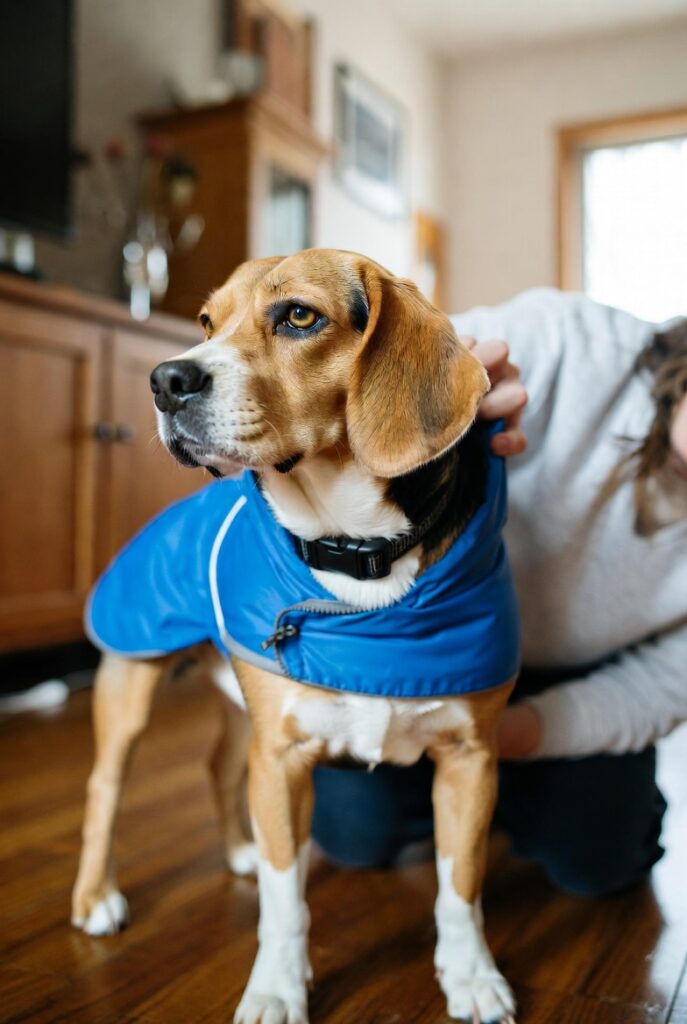
Start indoors. Lay the raincoat on the floor and let your dog sniff it, investigate it, and get comfortable with its presence. Let it sit near their bed or feeding area for a day or two. This helps them associate it with familiar, safe smells rather than something strange and alarming.
Then try draping it over their back without fastening anything. If they seem okay, fasten it briefly, give them a treat, and take it right back off. Keep these early sessions very short — just a minute or two.
Gradually increase the time they wear it indoors before ever attempting an outdoor walk with it. Some dogs adapt in a day; others need a week or more. Patience here is genuinely worth it.
Positive Reinforcement Techniques
Treats are your best friend during this process. Every time you bring out the raincoat, give your dog a treat. Every time you put it on, give a treat. Every time they walk around in it calmly, give another treat. You want them to build a strong positive association: raincoat = good things happen.
Keep your own energy calm and positive. Dogs are incredibly good at reading our emotions, and if you’re anxious or apologetic about putting the coat on, your dog will pick up on that and become more resistant. Act like it’s totally normal and fun, and many dogs will follow your lead.
Common Mistakes to Avoid
I’ve made plenty of mistakes in the dog gear department, and I want to help you skip the frustration.
Choosing the Wrong Size
This is the most common mistake, and it causes the most problems. A raincoat that’s too small restricts movement, causes chafing under the “armpits,” and can make breathing uncomfortable. A coat that’s too large will slip, slide, and end up covering your dog’s face or tangling in their legs within the first block of your walk.
Measure your dog every single time, don’t just guess based on past purchases, because sizing varies wildly between brands and even between products from the same brand.
Ignoring Weather Conditions
Going in the opposite direction is also a mistake. I’ve seen people put heavy dog rain gear on their dogs in mild summer drizzle, which leads to an overheated, stressed pup. Match the gear to the actual conditions. A light, breathable dog rain jacket for warm-weather rain. A heavier, insulated option for cold winter storms.
Similarly, don’t skip the gear on days your dog actually needs it just because it’s inconvenient. Consistency matters, especially if you’re trying to build the habit for a reluctant dog.
Poor Quality Materials
Cheap dog rain gear made from non-waterproof or non-breathable fabrics is a waste of money and a disservice to your dog. If the coat soaks through after five minutes, it provides no real protection. If it doesn’t breathe, your dog will be overheated and sweaty under a thin layer of damp fabric.
I know it’s tempting to grab the cheapest option, especially if you’re not sure your dog will even tolerate wearing it. But investing in one well-made piece of dog weather protection is better than going through three cheap ones that don’t work.

Conclusion
So, does your pup need dog rain gear? Here’s the short version of everything I’ve covered:
If your dog is a small breed, a short-haired breed, a puppy, a senior, or lives somewhere with persistent wet and cold weather — yes, a good waterproof dog raincoat or dog rain jacket is genuinely worth it. It protects their health, makes walks more enjoyable, and keeps your home cleaner.
If your dog has a thick double coat, is young and healthy, lives in a mild climate, or only goes out briefly in the rain — you probably don’t need to invest in wet weather dog gear. A towel by the door is likely enough.
The key is knowing your individual dog. Watch how they react to rain. Notice whether they shiver, refuse to walk, or seem miserable in wet conditions. Those are your cues. Your dog can’t tell you in words that they’re cold and uncomfortable, but they’ll tell you in their own way if you’re paying attention.
I never thought I’d be someone who dresses their dog, but here I am, genuinely grateful that dog rain gear exists. Mochi’s walks are consistent year-round, she’s healthier for it, and honestly? She looks adorable in her little raincoat. That’s just a bonus.
Frequently Asked Questions (FAQ)
Q: At what temperature should I put a raincoat on my dog? A: It depends on your dog’s breed and coat type, but as a general guideline, small dogs and short-haired breeds benefit from a raincoat when temperatures drop below 50°F (10°C), especially when combined with rain or wind. Larger, double-coated breeds typically don’t need one until temperatures are significantly lower.
Q: Can my dog wear a raincoat all day? A: No — raincoats should be used for outdoor protection during walks, not worn all day. Extended wear without a break can trap moisture, cause overheating, and lead to skin irritation. Always remove the gear once you’re back indoors.
Q: How do I wash my dog’s raincoat? A: Most dog raincoats can be hand-washed or machine-washed on a gentle, cold cycle. Avoid fabric softeners, as they can degrade waterproof coatings. Always check the manufacturer’s care label for specific instructions, and air dry rather than tumble dry to preserve the waterproofing.
Q: Are dog boots really necessary in rainy weather? A: Dog boots for wet weather are particularly beneficial for dogs who walk on cold, wet pavement for extended periods, especially in winter when roads may also have ice-melting salt. They prevent cracked paw pads, reduce exposure to chemicals, and make cleanup much easier. They’re not strictly necessary for every dog, but many pet owners find them very helpful.
Q: My dog hates wearing clothes. Will they ever get used to a raincoat? A: Most dogs can learn to tolerate and even enjoy wearing a raincoat with gradual introduction and positive reinforcement. The key is patience — start with very short sessions, use plenty of treats, and never force it. Dogs that initially resist usually come around within one to two weeks of consistent, positive training sessions.
Q: What’s the difference between water-resistant and waterproof dog gear? A: Water-resistant gear repels light moisture for a short period but will eventually soak through in heavy or sustained rain. Waterproof gear, especially those with taped seams and TPU coatings, provides longer-lasting protection in heavier downpours. For serious rainy climates, investing in genuinely waterproof dog rain gear is worth the extra cost.
Q: Can I use a human raincoat or poncho on my dog? A: It’s not recommended. Human rain gear isn’t designed to fit a dog’s body shape, and it can restrict movement, cover their face, and pose a safety hazard. Dog-specific rain gear is shaped to accommodate a dog’s unique anatomy and movement patterns, making it a much safer and more effective option.
Q: How do I know if my dog’s raincoat fits properly? A: A properly fitted dog raincoat should allow two fingers to fit comfortably between the coat and your dog’s body. Your dog should be able to walk, sit, trot, and turn around without restriction. The coat shouldn’t cover their eyes or mouth, and it shouldn’t drag on the ground. If your dog is constantly trying to shake it off or walking stiffly, the fit likely needs adjustment.