

I still remember the day I sat on my apartment floor, surrounded by chewed-up shoes and a very guilty-looking Golden Retriever puppy, wondering if I had truly thought this through.
Getting a dog was one of the best decisions of my life — but I’ll be honest with you: I wasn’t fully prepared. That first year taught me more about dog ownership than any article I had ever read beforehand.
I’ve now spent over five years as a dog owner, made plenty of mistakes, spoken with vets, trainers, and dozens of fellow dog parents. This guide is everything I wish someone had told me before I brought my dog home. Whether you’re a first-timer or someone returning to dog ownership as an adult, I want to help you go in with open eyes — not just excitement.
How I Assessed My Own Readiness (And What I Got Wrong)
Before anything else, I had to ask myself one uncomfortable question: Am I actually ready for this? Not ‘do I love dogs?’ — that answer was obviously yes. But am I ready for a 10–15 year commitment that changes my daily routine, my budget, and my freedom? That’s a much harder question.

My Living Situation Was the First Reality Check
I was living in a mid-sized apartment when I got my dog. My first instinct was that I needed a yard, but I quickly realized it wasn’t about the space as much as it was about how I used it.
Here’s what I actually evaluated:
- Indoor space — I rearranged my living room to create a dog bed corner, feeding station, and play area.
- Outdoor access — No yard, but a park within 10 minutes. That became our twice-daily ritual, rain or shine.
- Housing restrictions — My lease had a 25 lb weight limit. I had to negotiate with my landlord before bringing my dog home. Always check your rental agreement first.
- Neighborhood environment — Busy roads, noise, and lack of green space can genuinely stress a dog. I scoped out my block with fresh eyes before committing.
The lesson? Small spaces don’t disqualify you — but you have to compensate with intentional outdoor time and honest planning.
Determine Your Available Time for Training and Care
Dogs require significant daily time investment that extends far beyond quick bathroom breaks. Puppies especially need constant attention during their first few months.
Daily time requirements include:
- Feeding and fresh water (15-30 minutes)
- Exercise and walks (1-2 hours minimum)
- Training sessions (15-30 minutes)
- Grooming and health checks (10-20 minutes)
- Quality bonding time (varies)
Puppies need bathroom breaks every 2-4 hours initially, making them particularly demanding. Adult dogs typically require 4-6 hours of attention daily, though this varies by breed and individual personality.
Work schedules matter enormously. Dogs left alone for more than 8-10 hours regularly often develop behavioral problems like destructive chewing, excessive barking, or separation anxiety.
Calculate the Financial Commitment for 10-15 Years
Dog ownership costs extend well beyond the initial adoption or purchase fee. Budget planning should account for both predictable expenses and unexpected emergencies.
Annual costs typically include:
| Expense Category | Low Estimate | High Estimate |
|---|---|---|
| Food | $250 | $800 |
| Veterinary care | $500 | $2,000 |
| Grooming | $200 | $1,200 |
| Supplies/toys | $100 | $400 |
| Pet insurance | $200 | $600 |
| Emergency fund | $500 | $2,000 |
Larger dogs generally cost more due to higher food consumption, medication dosages, and boarding fees. Purebred dogs may face breed-specific health issues requiring specialized veterinary care.
Emergency veterinary bills can easily reach thousands of dollars for serious conditions like bloat, cancer treatment, or orthopedic surgery. Many pet owners underestimate these potential costs.
Consider Your Family’s Lifestyle and Activity Level
Your family’s energy level and daily routine should align with your chosen dog’s needs. Active families who enjoy hiking, running, or outdoor adventures pair well with energetic breeds like Border Collies or Labrador Retrievers.
Lifestyle compatibility factors:
- Exercise preferences: Do you enjoy daily walks, or prefer indoor activities?
- Social schedules: Frequent travel or evening events impact your availability
- Children: Young kids require dog breeds known for patience and gentleness
- Other pets: Existing cats or dogs influence breed selection and introduction strategies
- Noise tolerance: Some breeds bark more frequently than others
Families with unpredictable schedules or frequent travel should seriously consider whether dog ownership fits their reality. Dogs thrive on routine and consistent care from their primary family members.
Choose the Right Dog Breed for Your Needs

Match Breed Characteristics to Your Living Environment
Your living space plays a huge role in determining which dog breed will thrive in your home. Apartment dwellers should look for breeds that adapt well to smaller spaces and don’t require massive amounts of exercise. Think French Bulldogs, Pugs, or Cavalier King Charles Spaniels – these dogs are generally content with indoor living and moderate exercise.
If you’re lucky enough to have a house with a yard, you have more flexibility. Active breeds like Border Collies, Australian Shepherds, or Golden Retrievers can really stretch their legs and burn off energy in a fenced area. But remember, even with outdoor space, dogs still need regular walks and interaction with their humans.
Your lifestyle matters just as much as your physical space. Work long hours? High-energy breeds that need constant stimulation might not be your best match. Travel frequently? Some breeds handle schedule changes better than others. Breeds like Basset Hounds or Bulldogs tend to be more laid-back and adaptable to varying routines.
Climate is another factor people often overlook. Huskies and other double-coated breeds struggle in hot, humid climates, while short-haired breeds like Greyhounds need extra protection in cold weather. Match your local weather patterns with breeds that naturally handle those conditions.
Research Size, Energy, and Temperament Requirements
Size affects everything from food costs to housing requirements to exercise needs. Toy breeds under 10 pounds are perfect for smaller spaces but can be fragile around young children. Medium dogs (25-60 pounds) often hit the sweet spot for many families, while giant breeds over 100 pounds need serious space and have shorter lifespans.
Energy levels vary dramatically between breeds and even within the same breed. Working dogs like German Shepherds and Belgian Malinois were bred for jobs that require intense physical and mental stimulation. Without proper outlets, these high-drive dogs can become destructive or develop behavioral problems. On the flip side, breeds like Bernese Mountain Dogs or English Mastiffs are generally content with shorter walks and plenty of nap time.
| Energy Level | Examples | Daily Exercise Needs |
|---|---|---|
| High | Jack Russell Terrier, Weimaraner | 2+ hours |
| Moderate | Labrador Retriever, Golden Retriever | 1-2 hours |
| Low | Bulldog, Basset Hound | 30-60 minutes |
Temperament differences run deep and affect how dogs interact with family members, strangers, and other pets. Some breeds are naturally protective and make excellent watchdogs, while others greet everyone as a new best friend. Research whether a breed tends to be independent or clingy, good with kids or better suited to adult-only homes.
Consider Grooming and Maintenance Needs
Grooming requirements can make or break your relationship with your dog if you’re not prepared for the commitment. Some breeds are practically wash-and-wear, while others need professional grooming every 6-8 weeks plus daily brushing at home.
Double-coated breeds like Golden Retrievers and German Shepherds shed year-round with intense shedding seasons twice yearly. You’ll need quality brushes, a good vacuum cleaner, and patience during “coat blow” periods. Poodles and Poodle crosses have hair that grows continuously and requires regular trimming, but they shed very little.
Long-haired breeds need daily brushing to prevent mats and tangles. Skip a few days, and you might face expensive de-matting sessions at the groomer or even having to shave your dog down. Short-haired breeds are easier to maintain but still shed and benefit from regular brushing.
Don’t forget about other maintenance needs:
- Nail trimming every 3-4 weeks for most dogs
- Ear cleaning weekly for floppy-eared breeds
- Teeth brushing 2-3 times per week minimum
- Eye care for breeds prone to tear staining
Some breeds have specific needs like wrinkle cleaning for Bulldogs or special attention to skin folds. Factor in both the time commitment and potential costs for professional grooming when making your choice.
Prepare Your Home for a New Dog
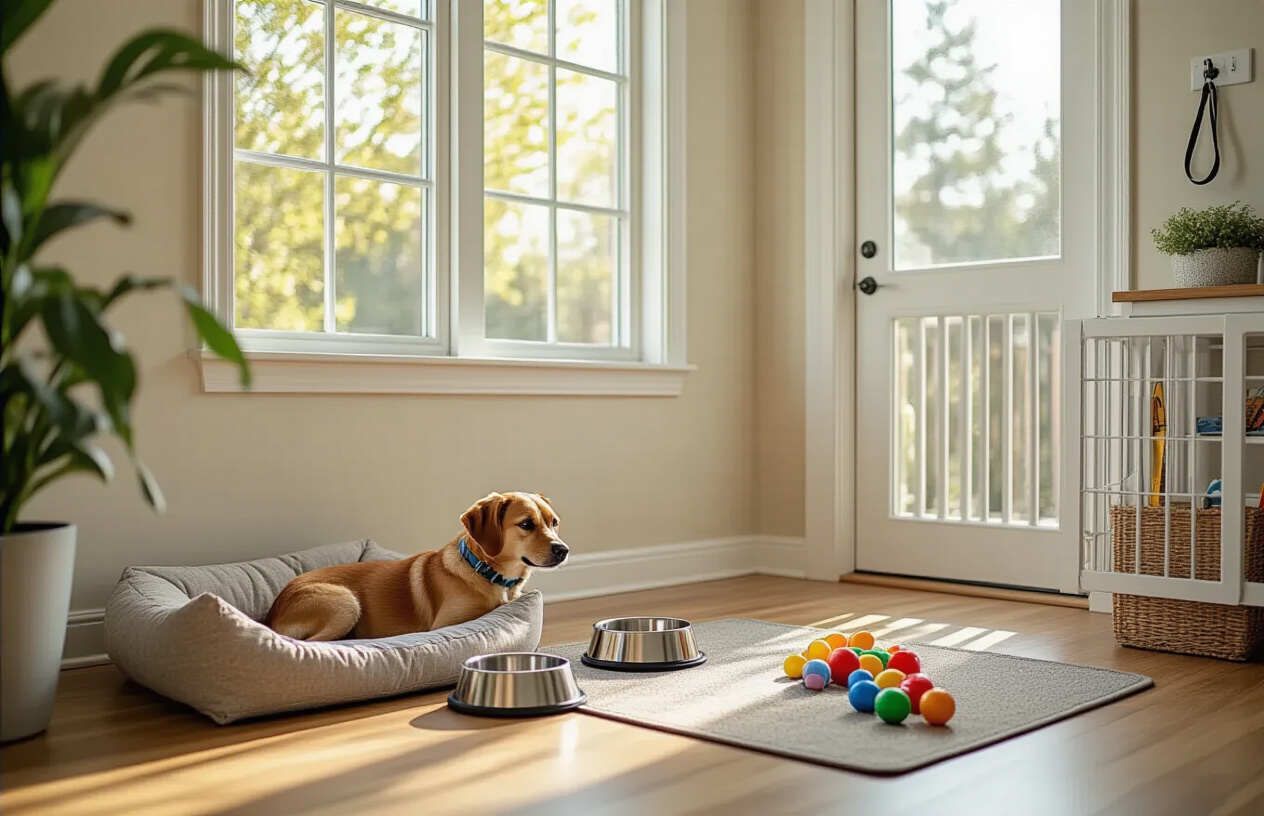
Dog-Proof Your Living Space for Safety
Start by getting down on your hands and knees to see your home from your dog’s perspective. This eye-level view reveals potential dangers you might miss from standing height. Remove or secure small objects that could become choking hazards, including coins, jewelry, children’s toys, and rubber bands. Pay special attention to electrical cords, which many dogs find irresistible to chew. Cover them with protective tubing or move them out of reach.
Check for toxic plants both indoors and in your yard. Common household plants like lilies, azaleas, and sago palms can be deadly to dogs. Replace these with pet-safe alternatives or move them to areas your dog can’t access. Secure cabinet doors, especially those containing cleaning supplies, medications, or food items that are harmful to dogs like chocolate, grapes, and onions.
Purchase Essential Supplies and Equipment
Your shopping list should include the basics: a collar with ID tags, a sturdy leash, food and water bowls, and high-quality dog food. Choose bowls made from stainless steel or ceramic rather than plastic, which can harbor bacteria and cause allergic reactions in some dogs.
Invest in a comfortable bed sized appropriately for your dog’s breed and expected adult size. Pick up waste bags, a pooper scooper, and basic grooming supplies including a brush suitable for your dog’s coat type, nail clippers, and dog shampoo. Don’t forget toys for mental stimulation and teething relief – rope toys, puzzle feeders, and durable chew toys work well for most dogs.
Create Designated Sleeping and Eating Areas
Dogs thrive on routine and feel secure when they have their own special spaces. Choose a quiet corner for your dog’s sleeping area, away from high-traffic zones but still within the family’s living space. This helps your dog feel included while providing a retreat when they need rest.
Set up the feeding station in a spot that’s easy to clean and away from the sleeping area. Many dogs prefer eating in a quiet location where they won’t be disturbed. Use a washable mat under food and water bowls to protect your floors and make cleanup easier. Keep these areas consistent – moving them frequently can cause stress and confusion for your new pet.
Install Safety Gates and Secure Hazardous Items
Baby gates aren’t just for babies – they’re perfect for keeping your dog in safe areas while they’re learning house rules. Install gates at the top and bottom of stairs, and use them to block access to rooms with valuable items or potential hazards. Choose gates that are tall enough your dog can’t jump over and sturdy enough they can’t knock them down.
Lock away all medications, both human and pet varieties, in secure cabinets. Store cleaning products, pesticides, and automotive fluids in high cabinets or locked storage areas. Check that trash cans have tight-fitting lids, as many dogs are expert garbage raiders. Secure or remove items with string, yarn, or ribbon that could cause intestinal blockages if swallowed.
Master the Financial Aspects of Dog Ownership

Budget for Initial Adoption and Setup Costs
Getting a dog involves significant upfront expenses that many first-time owners underestimate. Adoption fees range from $50 to $500 depending on whether you choose a shelter, rescue organization, or breeder. Purebred puppies from reputable breeders can cost anywhere from $500 to $3,000 or more.
Beyond the adoption fee, you’ll need essential supplies before bringing your dog home. A quality crate costs $50-200, depending on size. Food and water bowls run $20-50, while a comfortable bed ranges from $30-150. Don’t forget a collar, leash, and ID tags ($25-75), plus initial toys and treats ($50-100).
Your dog will need immediate veterinary care, including vaccinations, microchipping, and spaying/neutering if not already done. These initial vet visits typically cost $200-500. Many shelters include some medical care, but you’ll still need to establish care with a local veterinarian.
Essential First-Year Setup Costs:
- Dog crate and bedding: $80-350
- Food and feeding supplies: $50-150
- Collar, leash, and identification: $25-75
- Initial toys and enrichment items: $50-100
- First veterinary exam and vaccinations: $200-500
- Total estimated range: $405-1,175
Plan for Ongoing Food and Supply Expenses
Monthly expenses add up quickly and vary based on your dog’s size, activity level, and dietary needs. High-quality dog food costs $30-80 per month for most dogs, with larger breeds requiring more food and smaller dogs often needing specialized formulas.
Regular supply replacements include waste bags ($10-15 monthly), treats for training and rewards ($15-30), and toy replacements as items wear out ($10-25). Grooming supplies like brushes, nail clippers, and shampoo add another $10-20 monthly, or you can budget $40-100 for professional grooming sessions.
Seasonal considerations affect your budget too. Winter might require booties or coats for certain breeds, while summer could mean cooling mats or extra water bowls. Active dogs need more toys and equipment replacements due to wear and tear.
Monthly Recurring Expenses:
- Premium dog food: $30-80
- Treats and training rewards: $15-30
- Waste bags and cleanup supplies: $10-15
- Toy and equipment replacements: $10-25
- Grooming supplies/services: $20-100
- Monthly total: $85-250
Allocate Funds for Veterinary Care and Emergencies
Regular veterinary care keeps your dog healthy and catches problems early. Annual wellness exams cost $100-300, including vaccinations, heartworm testing, and routine blood work. Dental cleanings, recommended every 1-3 years, run $300-800 depending on your dog’s needs and local pricing.
Emergency veterinary visits create the biggest financial uncertainty in dog ownership. A simple stomach upset might cost $200-400, while serious emergencies like bloat, toxin ingestion, or trauma can reach $2,000-10,000 or more. Surgery for common issues like ACL tears or hip dysplasia often costs $3,000-6,000 per affected leg or joint.
Smart owners maintain an emergency fund specifically for pet expenses. Financial experts recommend saving $1,000-5,000 for veterinary emergencies, depending on your dog’s breed, age, and health risks. Alternatively, setting aside $50-100 monthly into a dedicated pet emergency account helps spread this burden over time.
Veterinary Cost Planning:
- Annual wellness care: $100-300
- Dental cleaning (every 1-3 years): $300-800
- Emergency fund recommendation: $1,000-5,000
- Common surgeries: $1,500-6,000
- Chronic condition management: $50-200 monthly
Consider Pet Insurance Options and Benefits
Pet insurance helps manage unexpected veterinary costs by reimbursing 70-90% of covered expenses after you meet your deductible. Monthly premiums range from $20-60 for basic coverage to $50-150 for comprehensive plans that include wellness care, dental, and alternative treatments.
Different insurance companies offer varying coverage levels. Accident-only plans cost less but don’t cover illnesses. Accident and illness coverage handles most veterinary needs, while wellness add-ons cover routine care like vaccinations and dental cleanings. Some insurers exclude pre-existing conditions entirely, while others may cover them after waiting periods.
Timing matters with pet insurance – premiums increase with age, and coverage exclusions apply to pre-existing conditions. Enrolling your dog as a puppy or young adult typically provides the best value and most comprehensive coverage throughout their lifetime.
Pet Insurance Comparison:
| Coverage Type | Monthly Premium | Deductible | Reimbursement | Best For |
|---|---|---|---|---|
| Accident Only | $10-25 | $100-500 | 70-90% | Budget-conscious owners |
| Accident + Illness | $25-60 | $100-750 | 70-90% | Most dog owners |
| Comprehensive | $40-100 | $0-500 | 80-100% | Peace of mind seekers |
Before choosing insurance, calculate whether annual premiums plus deductibles cost less than your potential out-of-pocket expenses. Consider your dog’s breed-specific health risks, your financial comfort level, and whether you prefer predictable monthly payments over variable emergency costs.
Establish Proper Training and Socialization

Start House Training from Day One
House training is your first priority the moment you bring your new dog home. Dogs naturally want to keep their living space clean, so you’re working with their instincts rather than against them. Take your puppy or new dog outside immediately after meals, naps, playtime, and first thing in the morning. Most puppies need to go out every 2-3 hours during the day.
Create a consistent routine by taking your dog to the same spot outside each time. Use a specific command like “go potty” and reward them immediately with praise and treats when they succeed. Never punish accidents inside – simply clean them up with an enzymatic cleaner that eliminates odors completely.
Key house training tips:
- Watch for signs like sniffing, circling, or whining
- Crate training helps since dogs won’t soil their sleeping area
- Remove food and water 2-3 hours before bedtime
- Be patient – most dogs need 4-6 months to be fully house trained
Implement Basic Obedience Commands
Teaching basic commands creates structure and builds your relationship with your dog. Start with these essential commands that every dog should know:
Sit is the foundation command. Hold a treat close to your dog’s nose, slowly lift it over their head, and their bottom will naturally lower. Say “sit” as it happens, then reward immediately.
Stay teaches impulse control. Start with your dog in the sit position, hold your hand up in a “stop” gesture, take one small step back, wait 2 seconds, then return and reward. Gradually increase distance and time.
Come could save your dog’s life. Practice in a secure, fenced area first. Get down to their level, say “come” enthusiastically, and reward when they reach you. Never call your dog to come for something they perceive as negative.
Down helps with relaxation and control. From the sit position, lower a treat to the ground between their paws, slowly pulling it away from them. Their body will follow the treat down.
Practice these commands for 5-10 minutes several times daily. Keep sessions short and positive – dogs learn better when they’re having fun.
Socialize Your Dog with People and Other Animals
Proper socialization shapes your dog’s personality and prevents behavioral problems later. The critical socialization period for puppies is between 3-14 weeks old, but dogs of any age can learn to be more social with patience and positive experiences.
Introduce your dog to different types of people – children, elderly adults, people wearing hats or sunglasses, and individuals using wheelchairs or walkers. Each positive interaction builds confidence and reduces fear-based reactions.
Safe socialization strategies:
- Start with calm, dog-friendly people who will follow your instructions
- Keep initial meetings short and positive
- Allow your dog to approach at their own pace
- Reward calm, friendly behavior with treats and praise
- Never force interactions if your dog seems stressed
For meeting other dogs, choose well-socialized, friendly dogs for first encounters. Dog parks can be overwhelming for beginners – consider organized puppy classes or supervised playdates instead. Watch for positive play signals like play bows, relaxed body language, and taking turns chasing.
Expose your dog to various environments too – busy streets, quiet parks, different surfaces, and everyday sounds like vacuum cleaners or doorbell rings. This comprehensive approach creates a well-adjusted, confident companion who can handle life’s surprises with ease.
Maintain Your Dog’s Health and Wellbeing
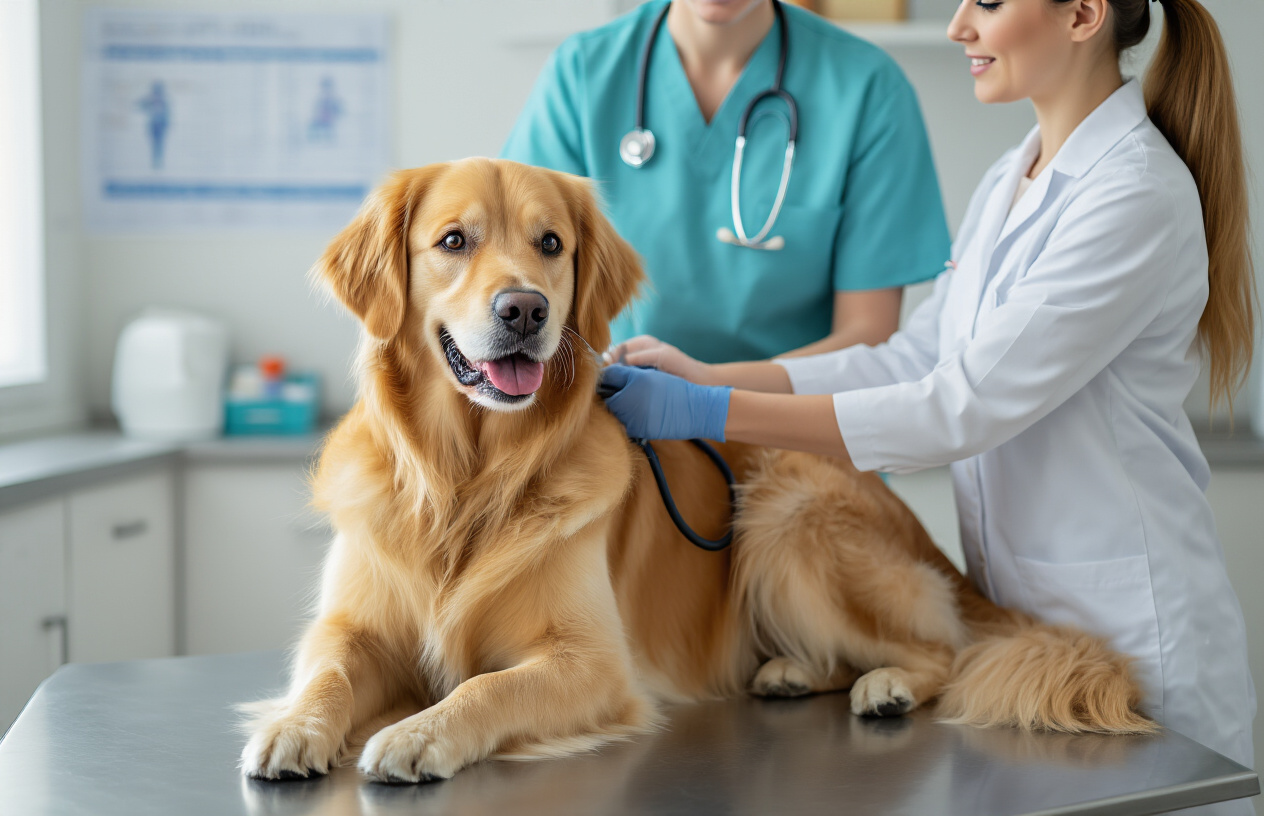
Schedule Regular Veterinary Checkups and Vaccinations
Your dog needs consistent medical care throughout their life, starting with puppy vaccines and continuing with annual wellness exams. Puppies require a series of vaccinations between 6-16 weeks old, including protection against distemper, parvovirus, adenovirus, and rabies. Adult dogs need yearly boosters for core vaccines and should receive annual heartworm testing.
Don’t wait for problems to surface before visiting the vet. Regular checkups allow your veterinarian to catch health issues early when they’re easier and less expensive to treat. Senior dogs (typically 7+ years) benefit from twice-yearly exams since they age faster than humans and can develop age-related conditions quickly.
Keep detailed records of all vaccinations, medications, and health concerns. This information becomes invaluable when changing vets or dealing with emergencies. Many veterinary clinics offer wellness plans that spread the cost of routine care over monthly payments, making preventive care more affordable.
Provide Proper Nutrition for Your Dog’s Life Stage
Dogs have different nutritional needs depending on their age, size, and activity level. Puppies need food specifically formulated for growth, with higher protein and fat content to support their developing bodies. Adult dogs require balanced nutrition to maintain their weight and energy levels, while senior dogs often benefit from easily digestible foods with joint-supporting supplements.
Choose high-quality commercial dog food that meets AAFCO (Association of American Feed Control Officials) standards. Look for whole proteins like chicken, beef, or fish listed as the first ingredient. Avoid foods with excessive fillers, by-products, or artificial preservatives.
Portion control prevents obesity, which affects over 50% of dogs and leads to serious health problems. Follow feeding guidelines on your dog food package, but adjust based on your dog’s body condition and activity level. Your vet can help determine the ideal weight for your specific dog.
Feeding Schedule by Life Stage:
- Puppies (8-12 weeks): 4 meals per day
- Puppies (3-6 months): 3 meals per day
- Adult dogs: 2 meals per day
- Senior dogs: 2 smaller meals per day
Ensure Adequate Daily Exercise and Mental Stimulation
Physical exercise keeps your dog healthy and prevents destructive behaviors caused by pent-up energy. Most dogs need at least 30 minutes to 2 hours of exercise daily, depending on their breed and age. High-energy breeds like Border Collies or German Shepherds require more intensive exercise than lower-energy breeds like Bulldogs or Basset Hounds.
Walking provides basic exercise, but dogs also need opportunities to run, play, and explore. Dog parks, hiking trails, and swimming offer variety and socialization opportunities. Interactive games like fetch, tug-of-war, and agility training combine physical and mental exercise.
Mental stimulation is just as important as physical exercise. Puzzle toys, treat-dispensing balls, and training sessions challenge your dog’s mind and prevent boredom. Teaching new tricks, practicing obedience commands, and introducing novel experiences keep your dog mentally sharp and engaged.
Signs your dog needs more exercise include excessive barking, destructive chewing, digging, hyperactivity indoors, and weight gain. Adjust exercise routines based on weather conditions and your dog’s health status.
Recognize Signs of Common Health Issues
Early recognition of health problems can save your dog’s life and reduce treatment costs. Watch for changes in appetite, water consumption, energy levels, and bathroom habits. These often indicate underlying health issues before more obvious symptoms appear.
Common warning signs to monitor:
- Excessive panting or difficulty breathing
- Persistent coughing or gagging
- Vomiting or diarrhea lasting more than 24 hours
- Loss of appetite for more than two days
- Lethargy or unusual behavior changes
- Difficulty walking or limping
- Excessive scratching or skin irritation
- Bad breath or dental problems
- Sudden weight loss or gain
Some breeds are prone to specific health conditions. Hip dysplasia affects large breeds, while heart problems are common in smaller dogs. Research your dog’s breed-specific health risks and discuss preventive measures with your veterinarian.
Emergency situations require immediate veterinary attention, including difficulty breathing, seizures, unconsciousness, severe injuries, suspected poisoning, or bloat (especially in deep-chested breeds). Keep your emergency vet’s contact information easily accessible and know the location of the nearest 24-hour animal hospital.
Regular grooming also helps you spot health issues early. Check ears for odor or discharge, examine paws for cuts or swelling, and monitor your dog’s coat for changes in texture or unusual lumps.

Getting a dog is one of life’s most rewarding decisions, but it comes with real responsibilities that last 10-15 years. You’ve learned about checking your readiness, picking the right breed, setting up your home, budgeting for expenses, training basics, and health care needs. Each of these steps matters because they help create a happy life for both you and your future furry friend.
Take time to honestly evaluate whether you’re ready for this commitment before falling in love with those adorable puppy eyes at the shelter. Research breeds that match your lifestyle, not just the ones that look cute on social media. Start saving money now for unexpected vet bills and daily expenses. Most importantly, remember that bringing home a dog means gaining a loyal companion who will change your life in the best possible way.